- Fear & Greed Index drops 23 amid 25% crypto mining cost spikes from oil swings.
- Bitcoin reaches US$74,623 as grid storage surges 30% in Texas.
- Lithium-ion grid storage hits 85-90% efficiency for 20 GW mining loads.
By Priya Mensah April 16, 2026
Grid storage deployments surged 30% in Q1 2026. Oil volatility drove crypto mining electricity costs up 25%. The Crypto Fear & Greed Index hit 23. Bitcoin traded at US$74,623, up 1.1% per CoinGecko data.
Fear & Greed Index Hits 23 on Energy Spikes
Crypto miners face oil-driven energy price swings. Natural gas prices fluctuate 15-20% weekly, per the US Energy Information Administration (EIA) Weekly Natural Gas Storage Report. Texas electricity spot markets spiked 30% during peaks (ERCOT data).
Ethereum held at US$2,338.36, up 0.8%. XRP rose 3.9% to US$1.41. BNB gained 1.8% to US$622.49. USDT stayed pegged at US$1.00.
Oil Swings Disrupt Electricity Markets
Brent crude swung 5% daily (EIA Spot Prices). Natural gas futures rose 12% in tandem. ERCOT spot prices hit US$150/MWh at evening peaks (ERCOT Market Reports).
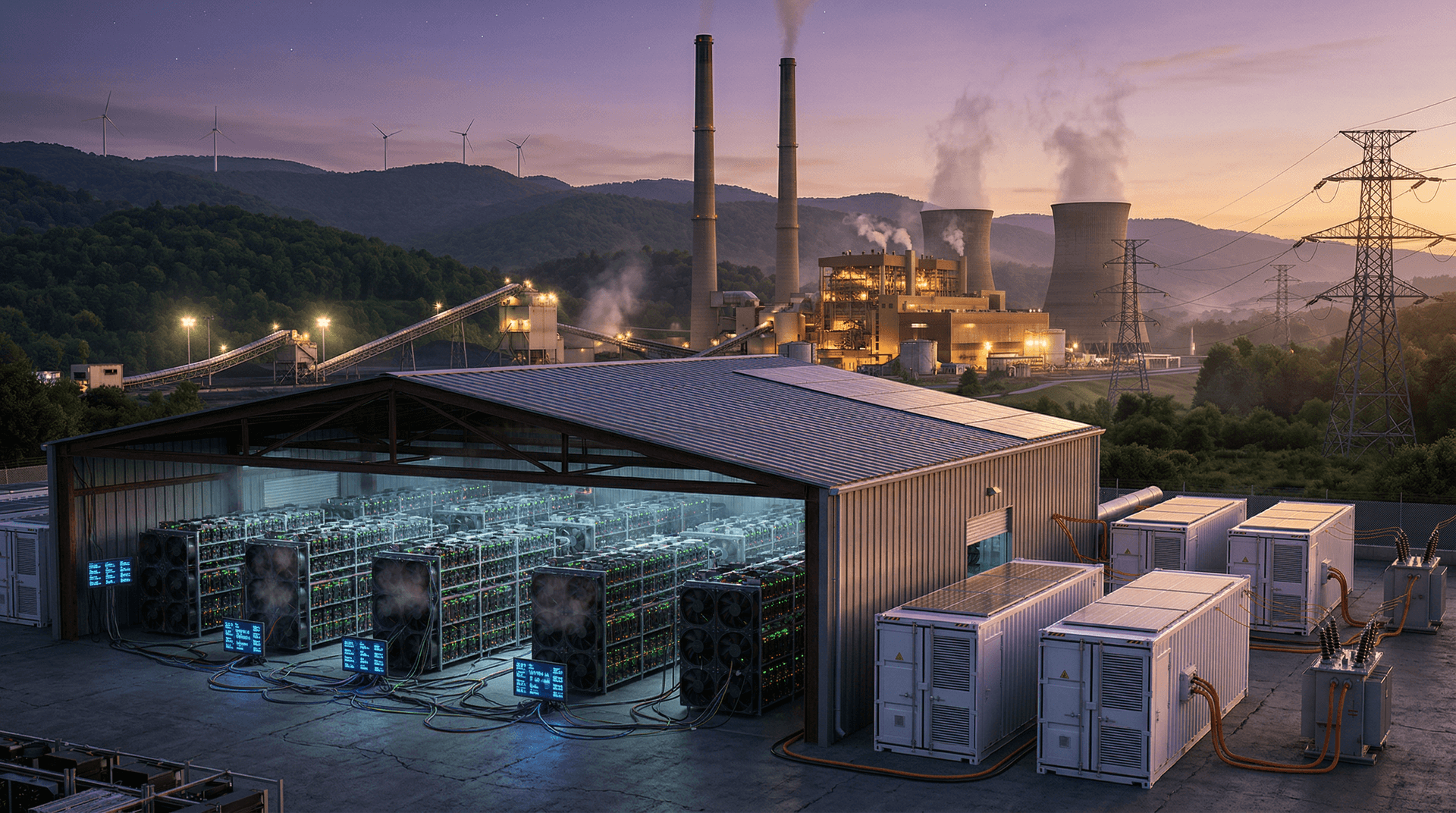
Miners cut operations, dropping hash rates 20-50%. Texas grids strain under 20 GW mining loads—15% of peak demand (Texas Tribune analysis). Renewables add intermittency; solar curtailment reached 40% on high-oil days.
Mining Power Demand Matches National Grids
Bitcoin mining uses 150 TWh annually, matching Argentina's electricity (International Energy Agency IEA report, 2025 Electricity Report). ASICs need firm power below US$0.05/kWh for profit.
Solar and wind variability requires grid storage. Texas operators favor mining in West Texas low-cost hubs. Oil volatility disrupts this, per ERCOT's Long-Term System Assessment.
Lithium-Ion Delivers Millisecond Dispatch
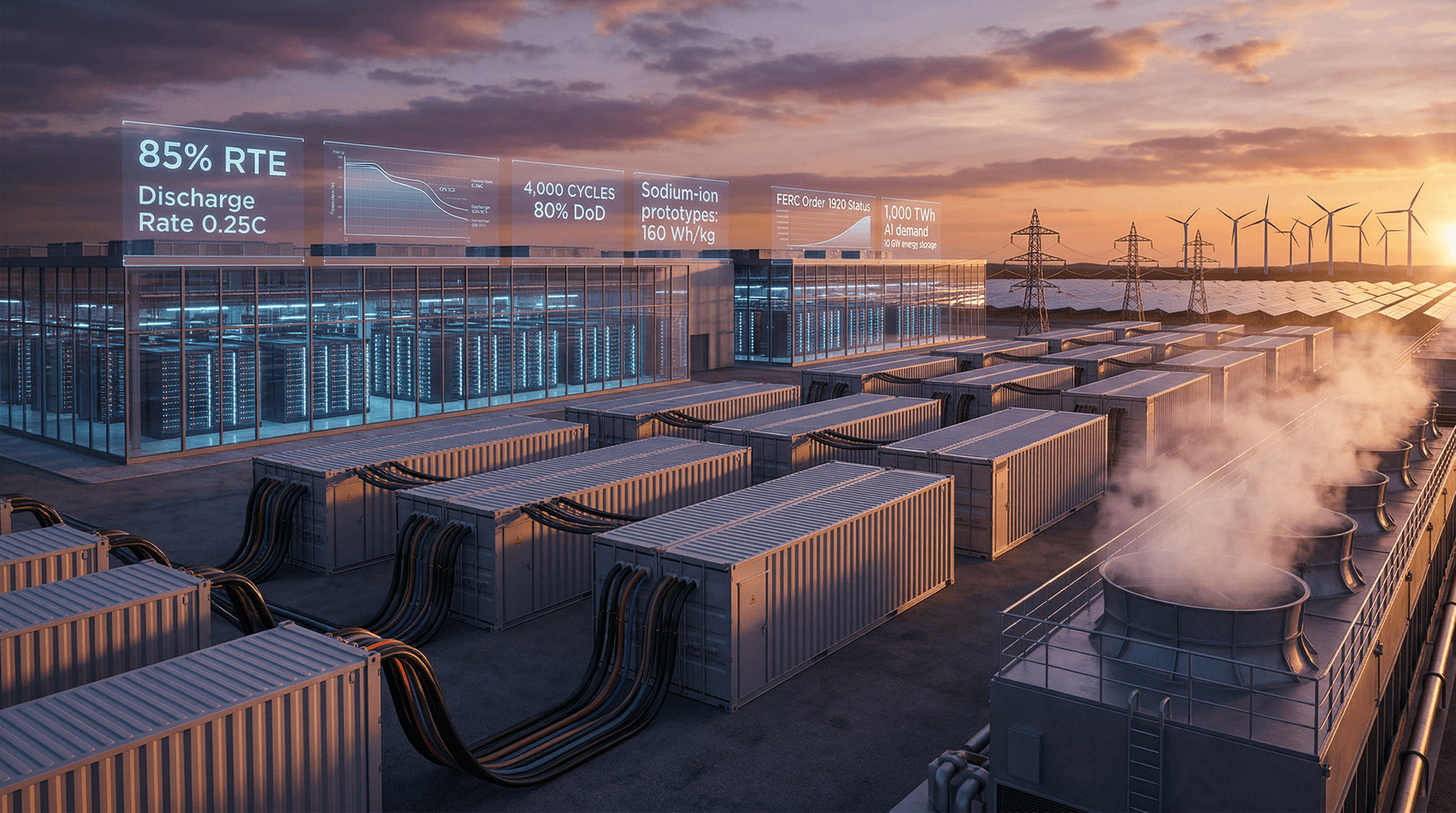
Lithium-ion batteries dispatch in milliseconds. They achieve 85-90% round-trip efficiency at 1C rates (National Renewable Energy Laboratory Annual Technology Baseline 2025). Specific energy hits 250 Wh/kg, density 650 Wh/L. Cycle life exceeds 3,000 at 80% DoD.
Texas developers co-locate 100 MWh packs with rigs. They hedge US$150/MWh spikes. Projects scale like Fluence Energy's 218 MWh filings.
Flow, Sodium-Ion Extend Duration
Flow batteries offer 4-8 hours at 50 Wh/kg, 75% efficiency (NREL Flow Battery Database). Sodium-ion cuts LCOS 20% via sodium abundance. CATL's 2026 roadmap matches lithium timelines.
Australia produces 1 million tonnes lithium yearly (Australian Department of Industry). This feeds US cathode lines.
Storage Enables Frequency Regulation
Grid storage provides regulation services. It avoids US$10,000/MW-year ERCOT penalties. Batteries hit 90% DoD with <1% annual degradation (Sandia National Labs).
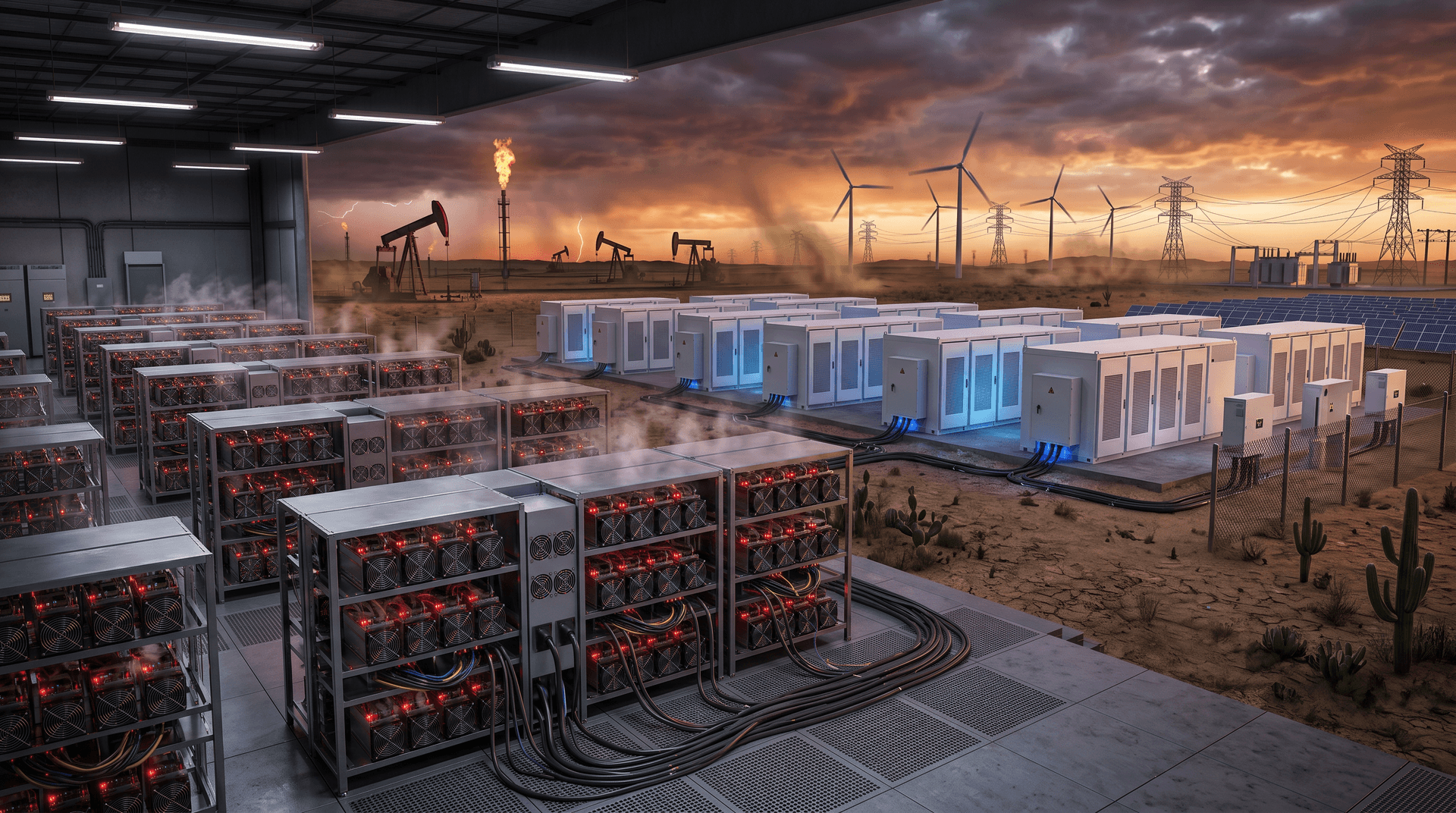
Deployments reach 1 GWh, like California's 1.2 GWh Elkhorn. The US Department of Energy (Energy.gov) notes 25% curtailment cuts. Miners build solar-storage hybrids in Permian Basin.
Miners Secure 500 MWh Battery PPAs
Marathon Digital locked 500 MWh PPAs with ERCOT utilities (Q1 2026 earnings). Behind-the-meter cuts costs 15% via arbitrage. Utility-scale grid storage stabilizes regions.
LCOS falls to US$150/MWh (BloombergNEF 2026). This beats oil-tied diesel at US$200/MWh. Inflation Reduction Act funds US$370 billion for storage in mining hubs.
Grid Storage Sustains Crypto Growth
Grid storage keeps hash rates above 600 EH/s. Bitcoin security strengthens with 30% deployments. Oil above US$80/bbl makes grid storage vital for Texas and Georgia miners.
This article was generated with AI assistance and reviewed by automated editorial systems.