By Philip Trask, Renewables Correspondent | April 12, 2026
Mindmatters.ai's AI Review Part 5, released today, projects grid-scale battery storage needs surging from AI data centers' 100 GW US power capacity demand by 2030. Deployments accelerate to stabilize strained grids.
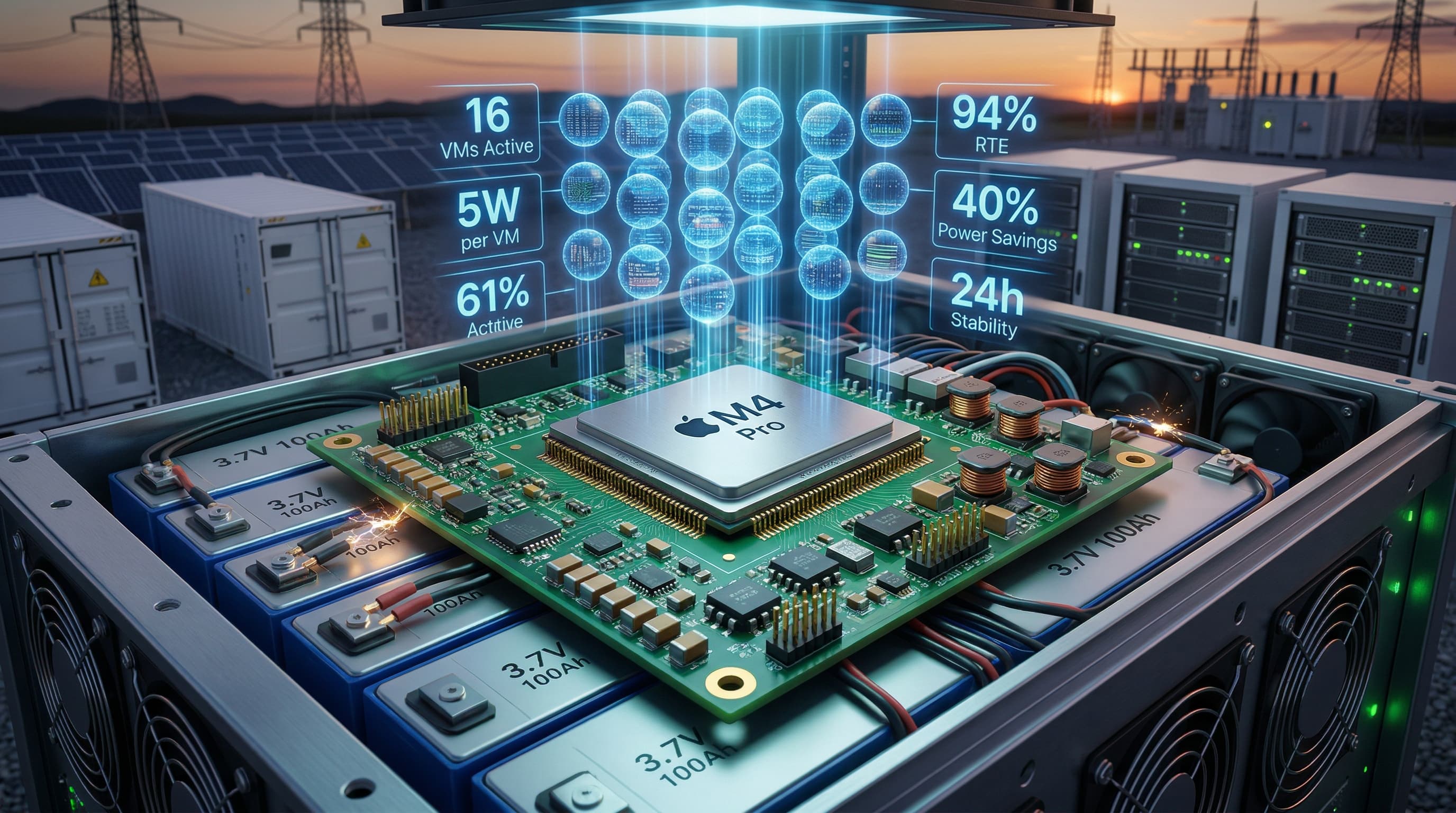
Data centers consume 4% of US electricity today, per US Department of Energy 2025 data. Mindmatters.ai forecasts this share doubles to 8% by 2031. Grid-scale batteries balance these loads alongside growing renewables penetration.
Surging Power Demands Reshape Grids
AI training demands constant high-density power. Google and Microsoft plan 50 GW of new global data center capacity by 2028, according to Goldman Sachs Research (March 2026). US grids face strain at evening peaks from AI workloads.
Renewable curtailment rises in California. Storage dispatches cut waste by 30%, per NREL 2025 pilot data. Data centers require firm, dispatchable capacity that batteries provide.
Policymakers prioritize batteries over gas peakers. FERC Order No. 2023 streamlines interconnections for hybrid solar-plus-storage projects serving data centers. These hybrids reduce queue times by 18 months, per SEIA 2026 analysis.
Grid-Scale Battery Innovations Meet AI Scale
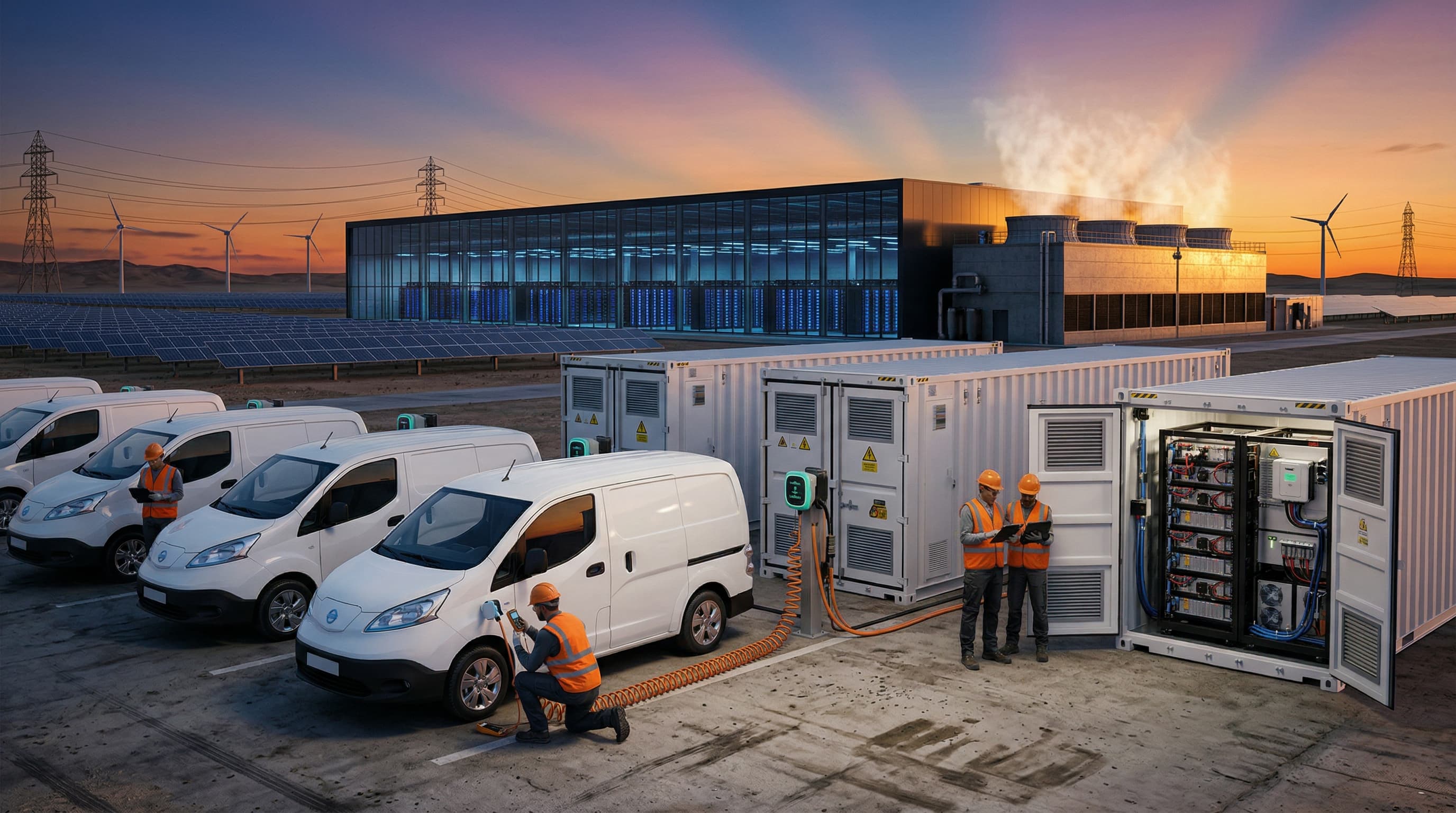
Grid-scale batteries now deliver 4-hour durations at commercial scale. Tesla Megapack V5 packs 3.9 MWh per unit with 98.4% round-trip efficiency at 1C discharge, per Tesla specifications (March 2026). LFP cells inside achieve 6,000 cycles at 80% capacity retention under IEC 62619 standards.
Form Energy advances 100-hour iron-air batteries for long-duration data center backup. These systems target 150 Wh/kg energy density with 5,000 full cycles.
Flow batteries support daily cycling. ESS Inc. deployed 5 MWh vanadium redox flow systems in Texas, cutting levelized cost of storage (LCOS) by 2.5% year-over-year, per Wood Mackenzie (Q1 2026). Vanadium flow offers 20,000+ cycles with zero degradation.
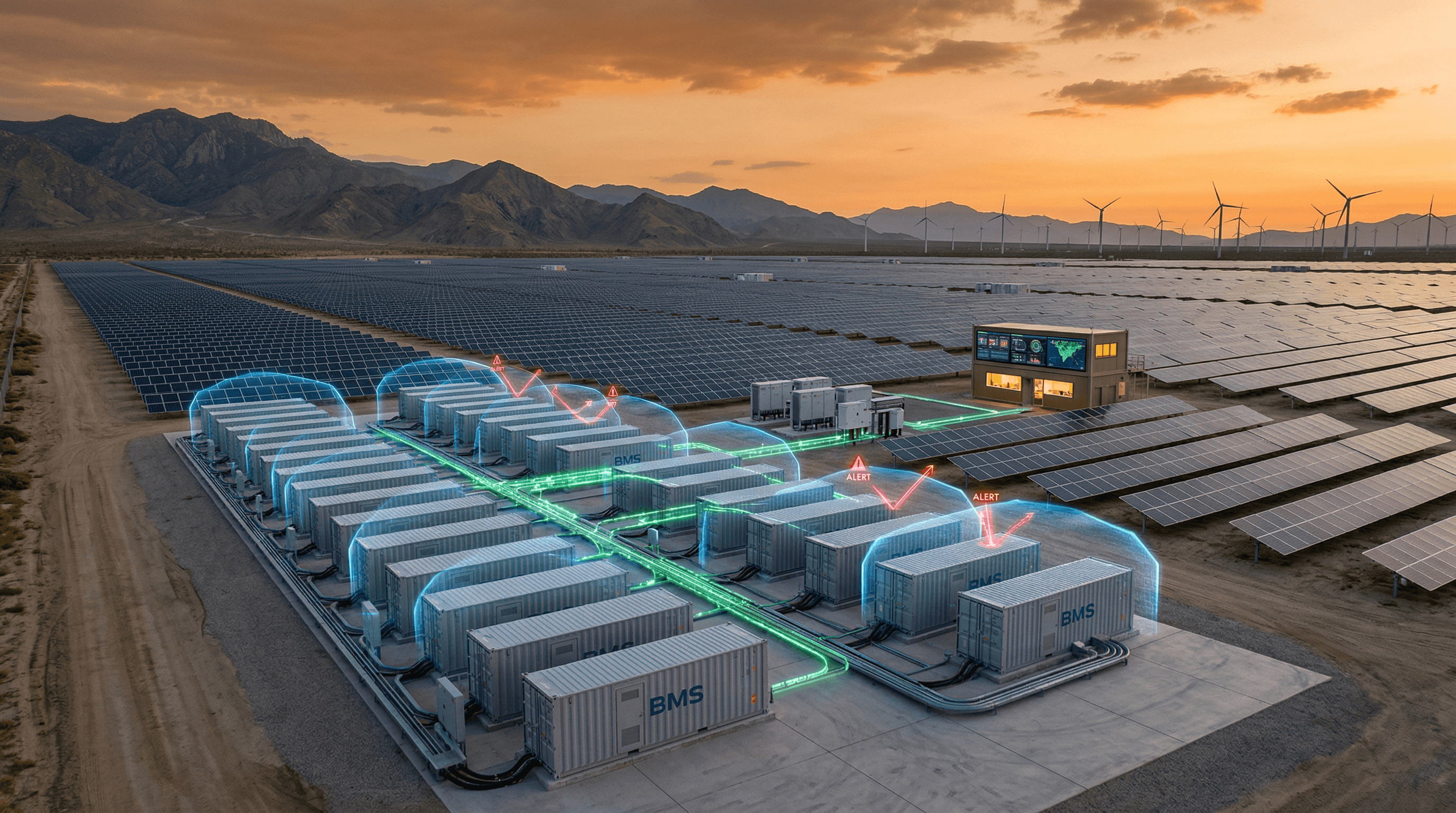
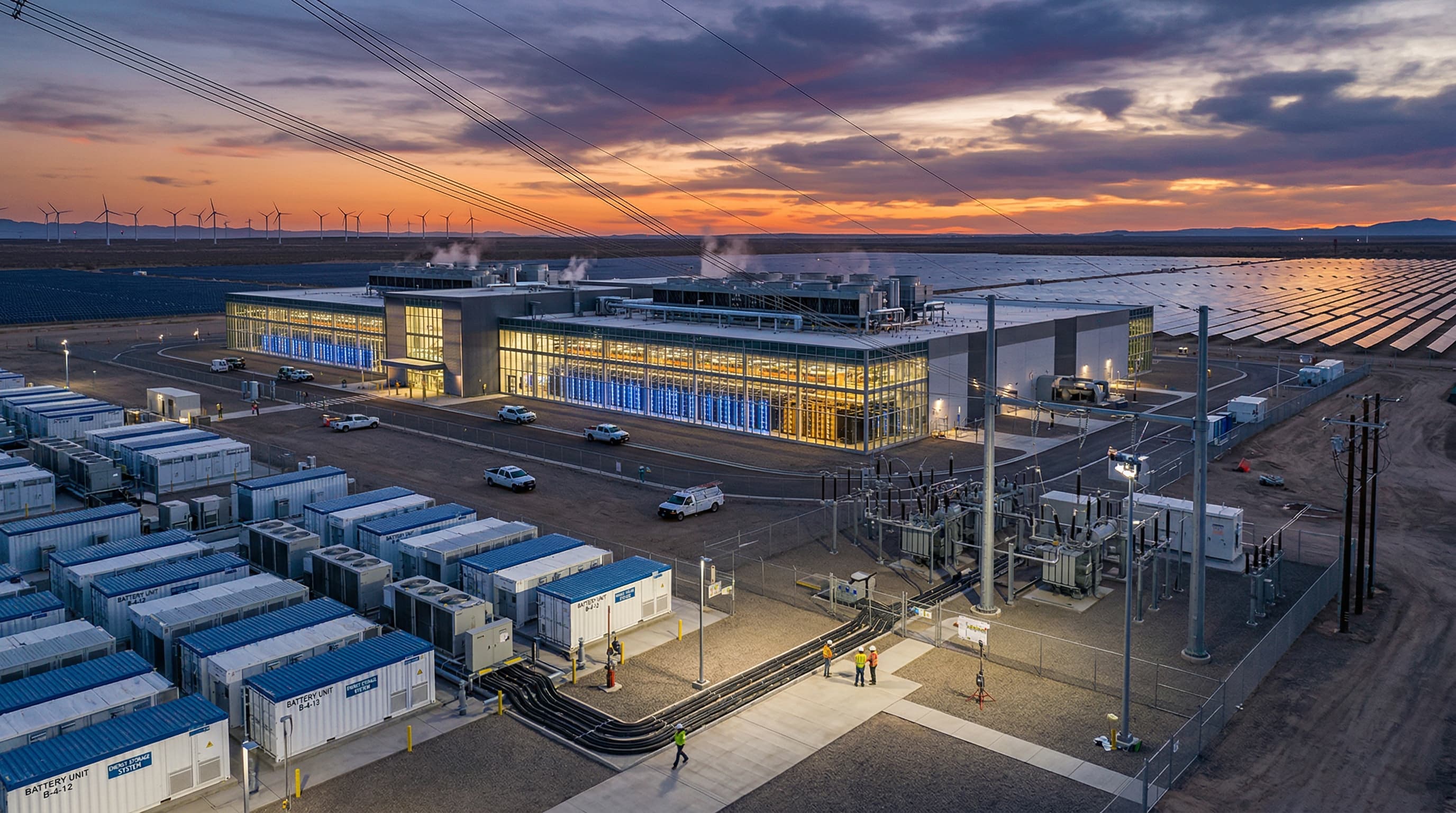
Data center operators co-locate storage. Amazon Web Services pairs 500 MW/2 GWh batteries with Arizona solar farms, reducing grid imports 40% at peaks, per AWS reports.
Sodium-ion batteries cut costs 20% below lithium-ion equivalents, per Mindmatters.ai analysis. CATL's 2026 models target 200 Wh/kg and 160 Wh/L for grid applications, sourcing sodium domestically to dodge lithium price swings that rose 400% in 2022 (Benchmark Mineral Intelligence).
Policy Frameworks Boost Deployments
Inflation Reduction Act (IRA) provides 30% investment tax credits for storage over 3 hours. This incentive drives USD 15 billion in data center-linked projects, per BloombergNEF Q1 2026.
EU Net-Zero Industry Act mandates 40 GW storage by 2030. Data centers in Ireland and Germany secure batteries through long-term power purchase agreements (PPAs).
California's CPUC orders 5 GW by 2028, with 2 GW allocated for tech loads. PJM markets credit storage for frequency response services, benefiting AI sites.
Market Forecasts Signal Investment Surge
Global grid-scale battery storage reaches 500 GWh deployed by end-2026, up 50% year-over-year, per Rystad Energy (April 2026). Data centers drive 25% of this growth.
Northvolt raised USD 1.2 billion for Swedish sodium-ion factories, targeting 50 GWh annual output by 2028. Fluence secured USD 500 million from Siemens for 10 GWh yearly production.
BlackRock acquired 20% of Plus Power's 2 GW hyperscaler pipeline. These projects deliver 12-15% internal rate of return (IRR) based on LCOS below USD 100/MWh.
Bitcoin power use declines as prices trade at USD 71,662 with Fear & Greed Index at 16, per Alternative.me (April 12, 2026). AI workloads consume 2.5 times more electricity.
Real-World Hybrid Projects Deliver
Microsoft's 1.2 GW/4.8 GWh Texas solar-plus-storage project went live in March 2026. It dispatches 80% of capacity during peaks, cutting diesel use 95%, per Microsoft reports.
Google's Nevada site pairs 300 MW wind with 1.2 GWh LFP batteries at 92% round-trip efficiency. This setup enables 12-hour autonomy for critical loads.
Hybrid projects slash interconnection queues by 18 months, per SEIA 2026 data. Developers like NextEra Energy pipeline 10 GW more for hyperscalers.
Why Grid-Scale Batteries Matter for AI
Mindmatters.ai positions grid-scale battery storage as AI's essential grid lifeline. Innovations drive LCOS below USD 100/MWh with 4,000+ cycle lives. Markets forecast USD 50 billion in annual investments by 2030. Policymakers must accelerate permitting to match deployment pace.