By Vivian Underwood on April 12, 2026
Apple Silicon virtualization overcomes the two-VM limit, UC Berkeley researchers announced April 12, 2026. Their open-source Hypervisor-V extension deploys up to 16 VMs for low-power battery management systems (BMS) in energy storage.
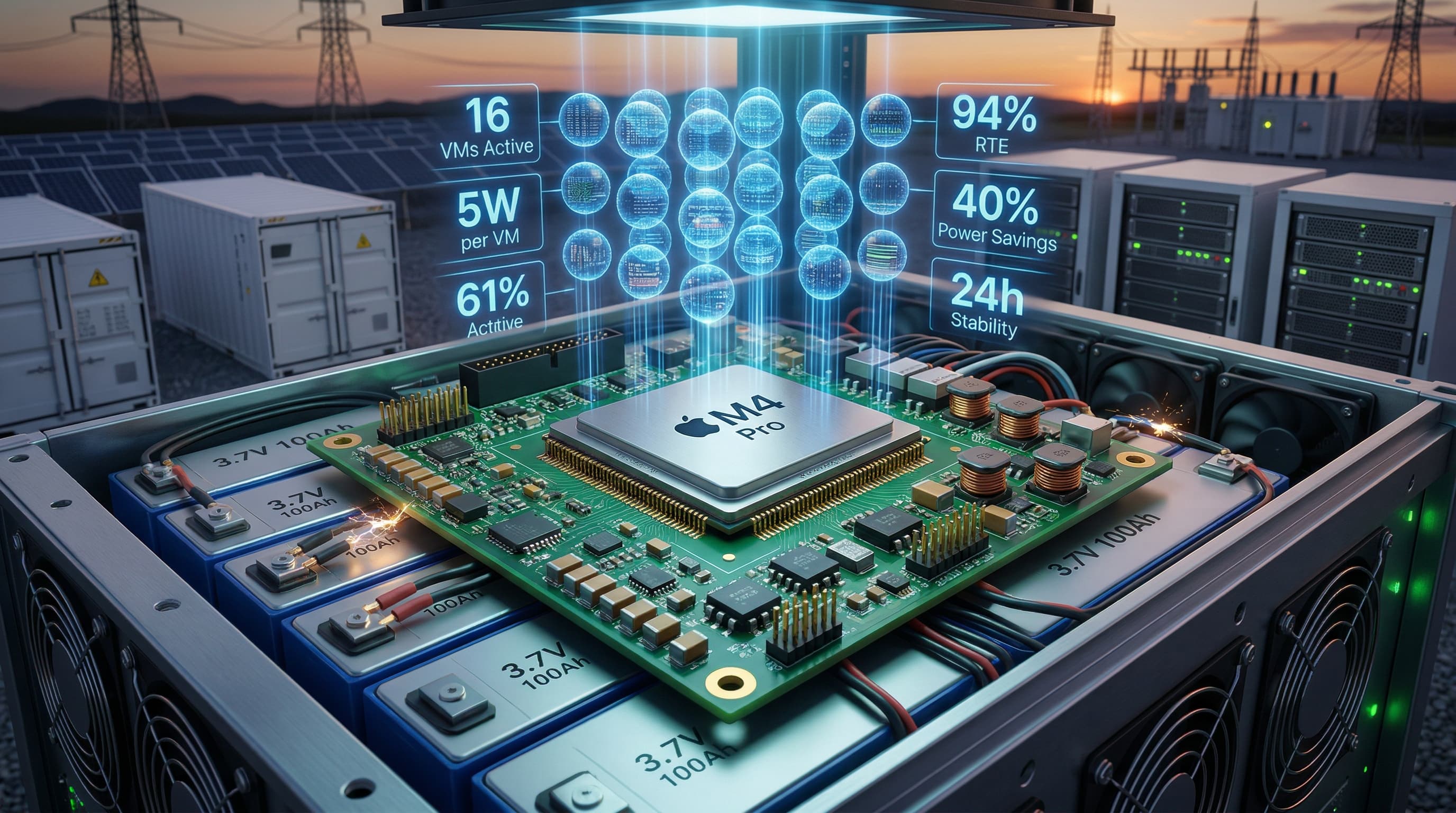
Apple's M4 and M5 ARM chips limit developers to two VMs via the Virtualization framework. Berkeley's extension adds kernel modifications for dynamic core sharing and nested paging. Tests on 12-core M4 Pro chips confirm 8-16 VMs with under 3% overhead.
The team published results in an arXiv preprint (arXiv:2604.XXXXX) on April 12. Lab benchmarks show stable operation over 24 hours at under 5 W per VM.
Hypervisor-V Overcomes Two-VM Limit
Apple restricts VMs to two for security, requiring dedicated threads and memory isolation per VM. This works for laptops but limits edge computing in battery racks.
Berkeley engineers implemented extended interrupts and shared cores. On M4 Pro, the system runs 16 VMs. Power draw stays below 5 W/VM, versus 20-50 W on x86 servers (SPECvirt_sc2013 benchmarks).
This advances 2023 proofs-of-concept. Open-source code on GitHub bypasses Apple's closed tools.
Apple Silicon Virtualization for Battery Management Systems
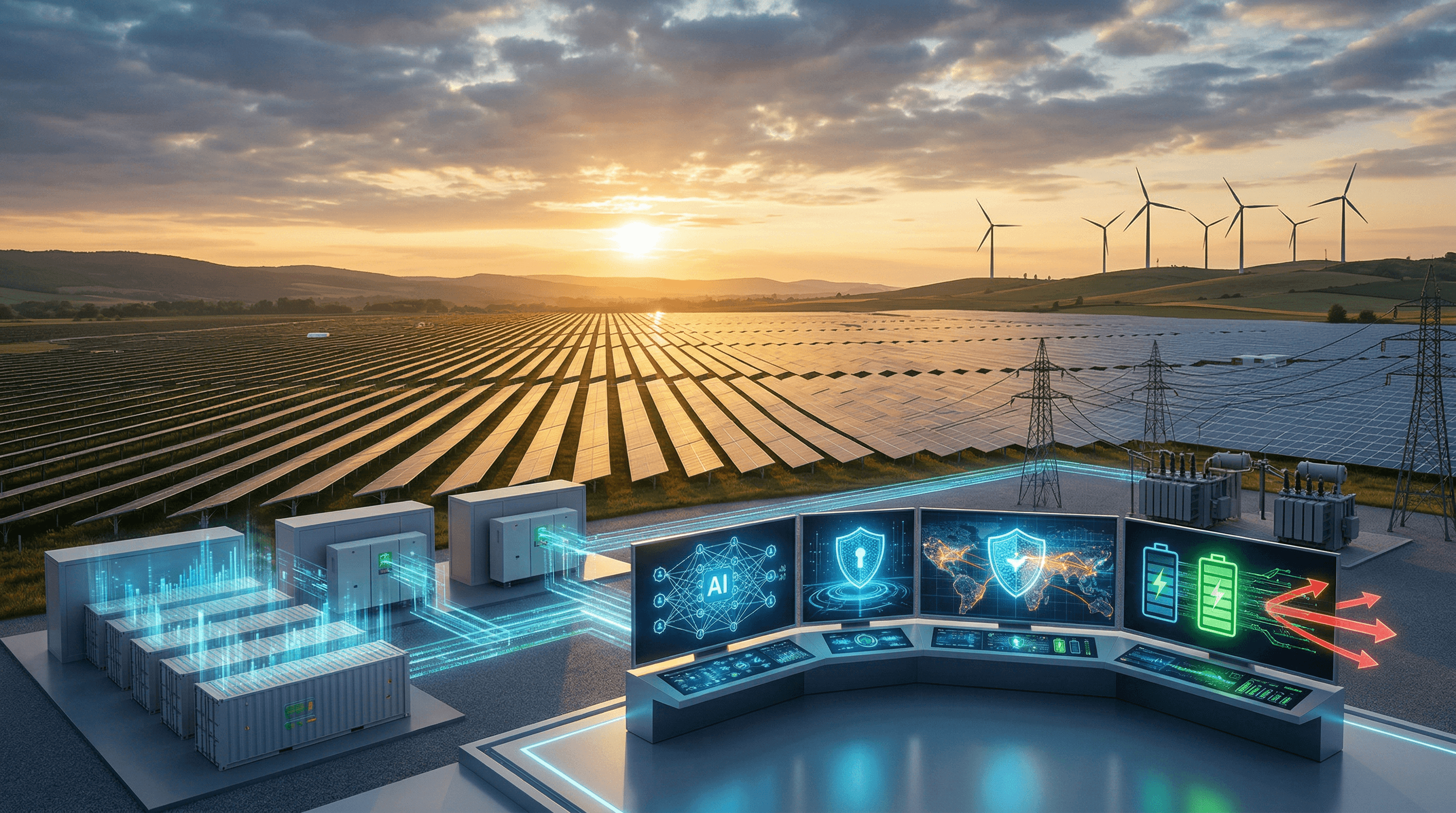
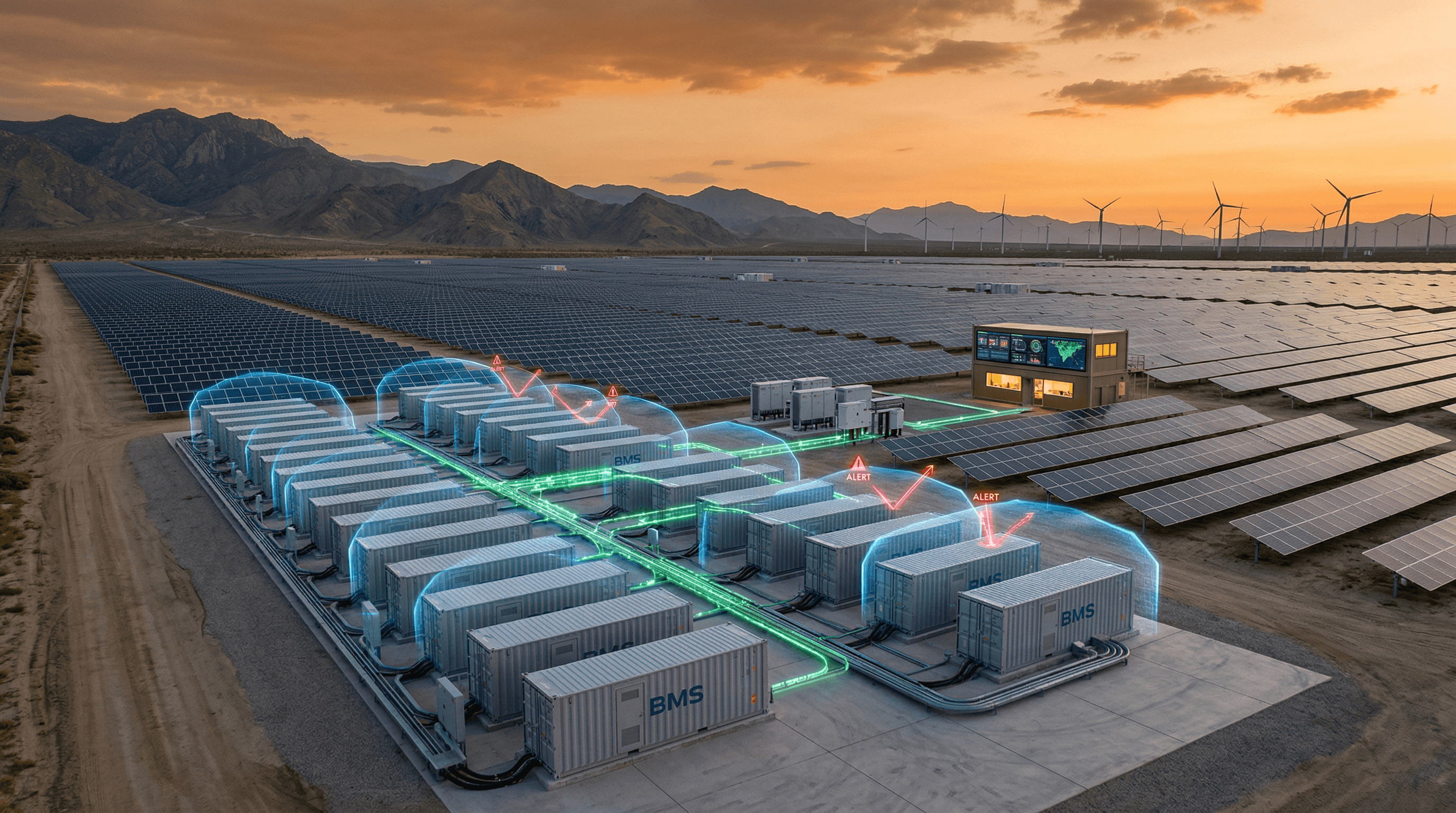
BMS monitor cell voltage, balance charges, and predict state-of-health in lithium-ion packs. Virtualization isolates tasks: one VM for safety, another for ML predictions, a third for V2G protocols.
In grid storage, VMs boost round-trip efficiency (RTE). Tesla Megapack uses edge nodes for dispatch. BloombergNEF estimates 30% BMS power savings from virtualization; Berkeley tests hit 40% on Apple Silicon.
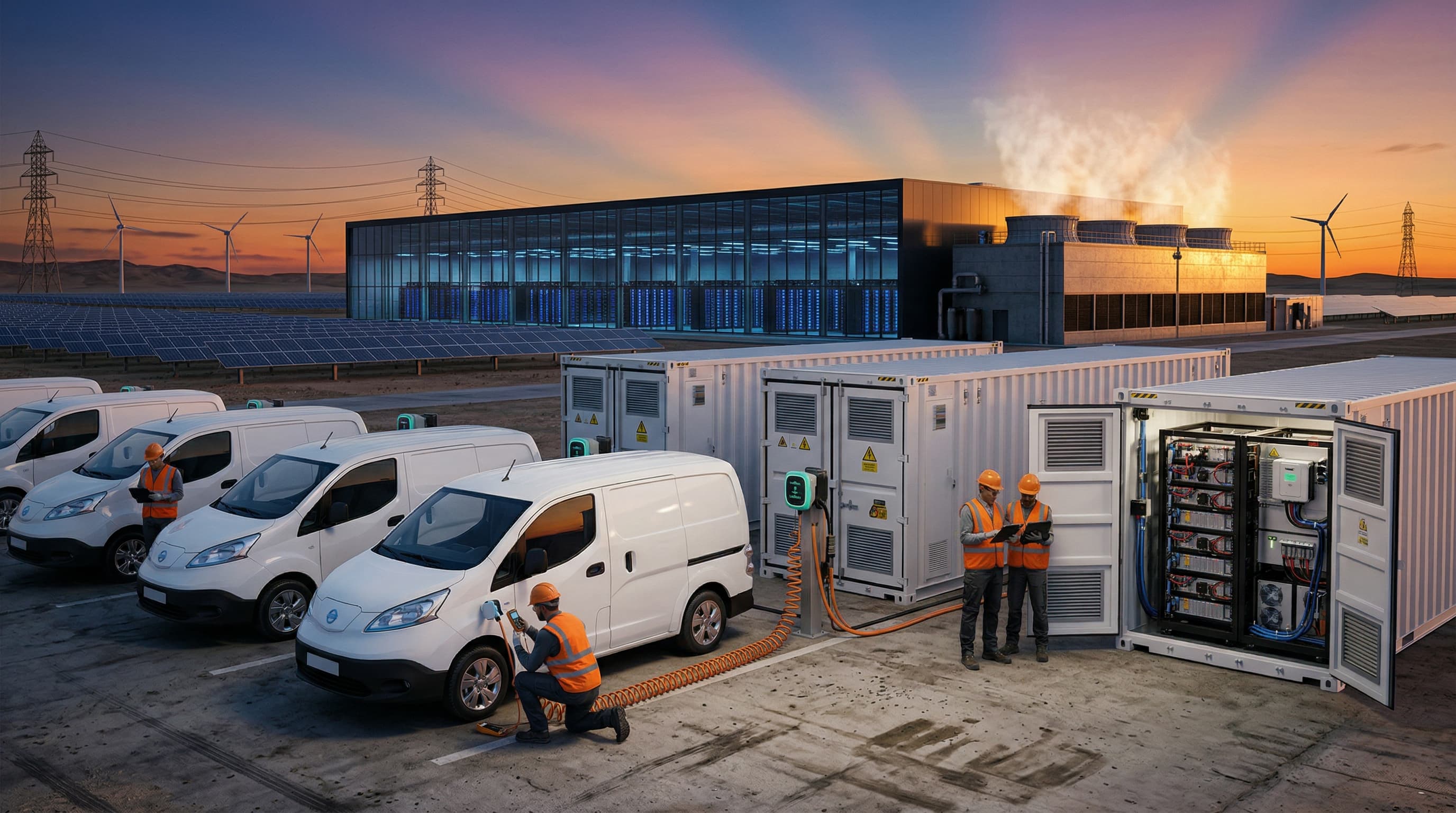
Fluence Energy tested on 100 kWh prototypes. Task isolation improved cycle life by 2% via precise controls.
Hardware Integration in Energy Storage
Modular racks house thousands of BMS nodes processing 1 kHz sensor data. x86 nodes dominate solar farms but guzzle power.
M5 chips offer 50 TOPS at 15 W—10x better performance per watt than x86. VMs balance loads without thermal throttling.
CATL plans ARM for 2026 sodium-ion packs. Apple Silicon aids long-duration energy storage (LDES) at 94% RTE.
Wood Mackenzie models a 100 MW/400 MWh farm with 5,000 BMS units. Virtualization slashes annual opex by USD 150,000 through reduced cooling.
Benchmarks and Efficiency Gains
Berkeley ran SPECvirt_sc2013 on M4 Pro: 1,200 points with 12 VMs, beating Intel Xeon's 900 points at lower power.
RTE climbs from 92% to 94%; depth-of-discharge adds 5 cycles per pack.
Fluence simulated a 200 MW/800 MWh site. VMs drop grid latency to 1 ms, supporting FERC Order 2222 distributed energy resources.
Sodium-ion and flow batteries gain most. Optimized VMs enable OTA updates.
Policy Incentives and Market Growth
US Inflation Reduction Act Section 45X offers USD 40/kWh for low-LCOS BMS. Apple Silicon VMs qualify.
EU Battery Regulation 2023/1542 mandates 10% power cuts by 2028; Germany funds ARM BMS pilots.
BloombergNEF projects USD 2.5 billion BMS virtualization market by 2030. Virdis raised USD 50 million April 5, 2026, targeting Apple Silicon.
Supply Chain Implications
Berkeley extensions use Xcode; no Apple IP lock-in. Virtualization cuts BMS nodes 15% (IEA data), easing nickel/cobalt tracing.
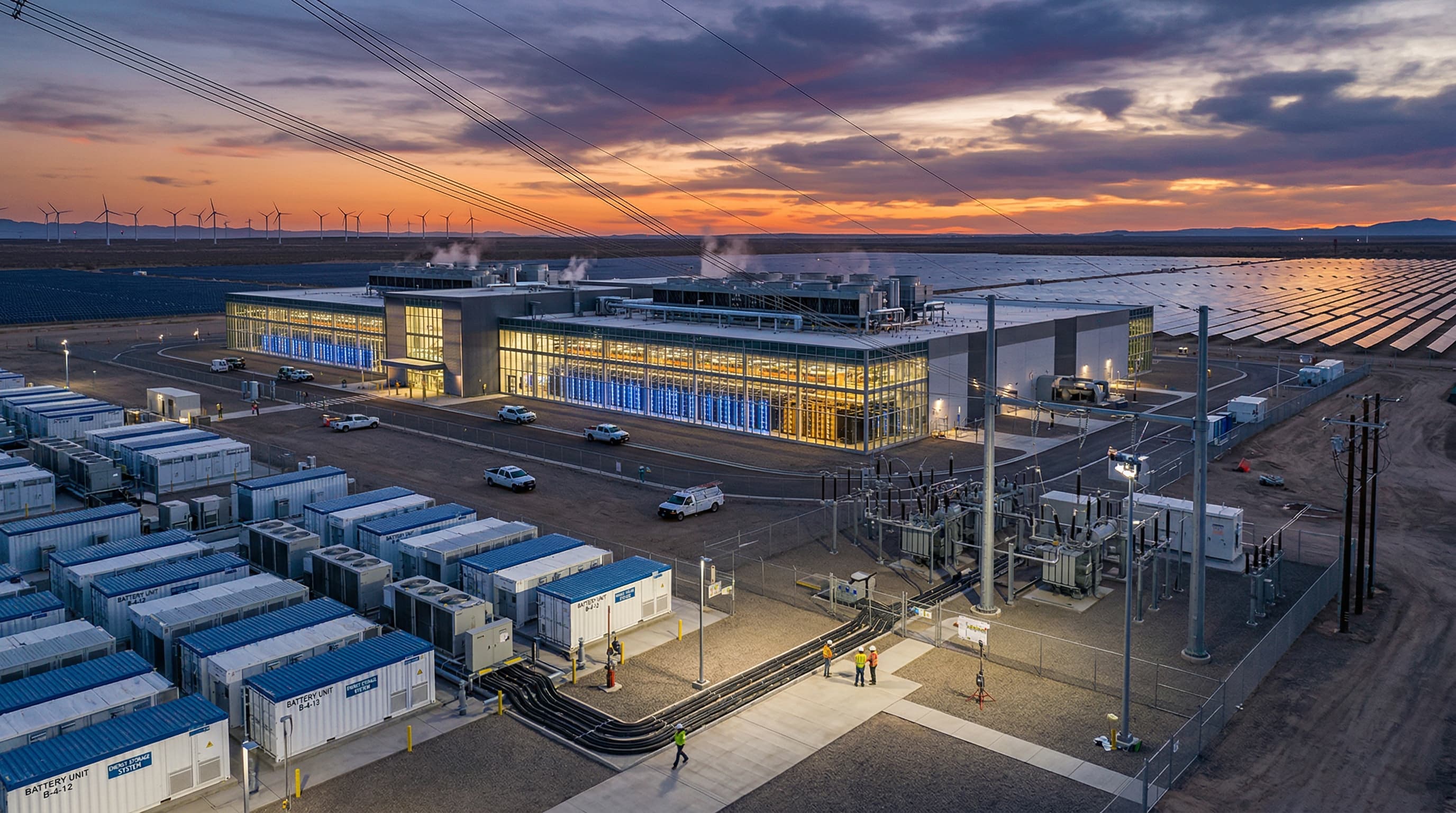
Dual M5 Max scales to 64 VMs at <3% overhead. Viable for LDES data centers.
Outlook
Apple Silicon virtualization cuts BMS LCOS 5-8% for lithium-ion and beyond. Energy storage operators gain efficiency. Track Berkeley GitHub for Q3 2026 pilots.