By Finley Vance April 11, 2026
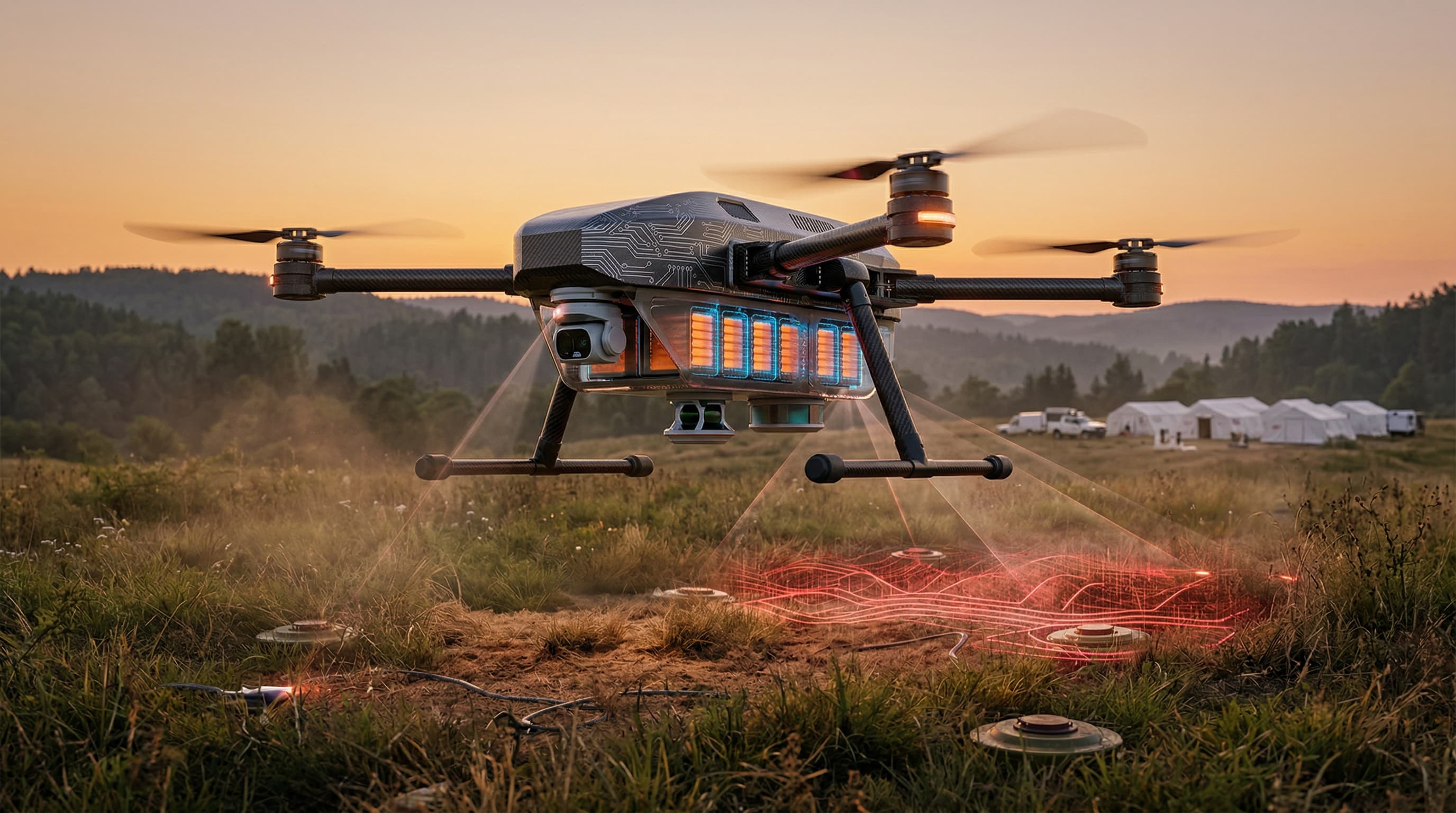
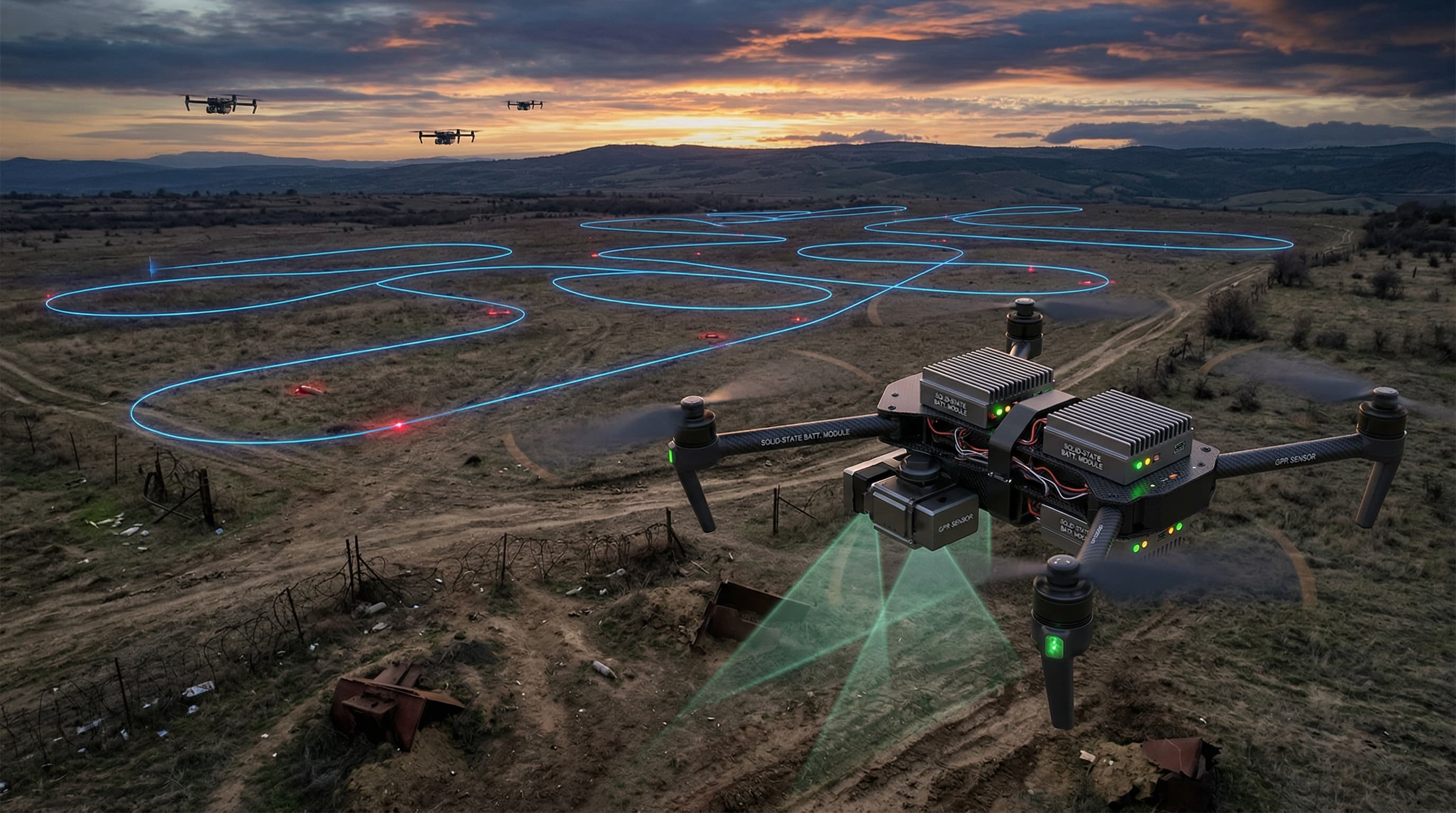
EPFL researchers unveiled battery advances in solid-state batteries powering drone systems for landmine detection on April 11, 2026. These batteries enable four-hour geophysics surveys. Flight endurance doubles compared to standard lithium-ion packs.
The project targets post-conflict zones in Ukraine and the Middle East. Drones carry ground-penetrating radar (GPR) sensors. Artificial intelligence processes data in real time to map explosive remnants.
Solid-state batteries achieve 450 Wh/kg energy density, per EPFL lab tests. This metric surpasses 250 Wh/kg in commercial lithium-ion drone cells from CATL. Researchers report 30% lower weight for equivalent capacity.
Solid-State Battery Design Drives Endurance Gains
EPFL engineers integrated sulfide-based solid electrolytes into pouch cells. These cells deliver 800 Wh/L volumetric density. Cycle life reaches 1,500 discharges at 80% depth of discharge (DoD).
Traditional lithium-ion batteries limit drone flights to 90 minutes with GPR payloads. Solid-state packs extend this to 240 minutes, according to field simulations by the Swiss Federal Laboratories for Materials Science and Technology (Empa). Payload capacity rises 25% without added mass.
Prototypes cost USD 180/kWh at lab scale. Empa forecasts scale-up drops this to USD 120/kWh by 2028. EU awarded a EUR 5 million Horizon grant in 2025.
Safety improves with non-flammable electrolytes. Thermal runaway risk falls 90% versus liquid electrolyte cells, per UL 2580 testing standards. Drones operate in 50°C desert conditions without cooling systems.
Drone Platforms and Geophysics Payloads
Researchers modified DJI Matrice 300 drones with custom battery bays. Each drone mounts a 2 kWh solid-state pack weighing 4.2 kg. GPR antennas scan to five meters depth at 50 km/h ground speed.
Magnetometers detect ferrous metals in unexploded ordnance (UXO). Multispectral cameras identify soil disturbances. AI algorithms from ETH Zurich fuse datasets with 95% detection accuracy, lab trials show.
Swarm operations deploy 10 drones over 100 hectares per mission. Real-time mapping reduces clearance time from weeks to days. Norwegian People's Aid provided UXO datasets for algorithm training.
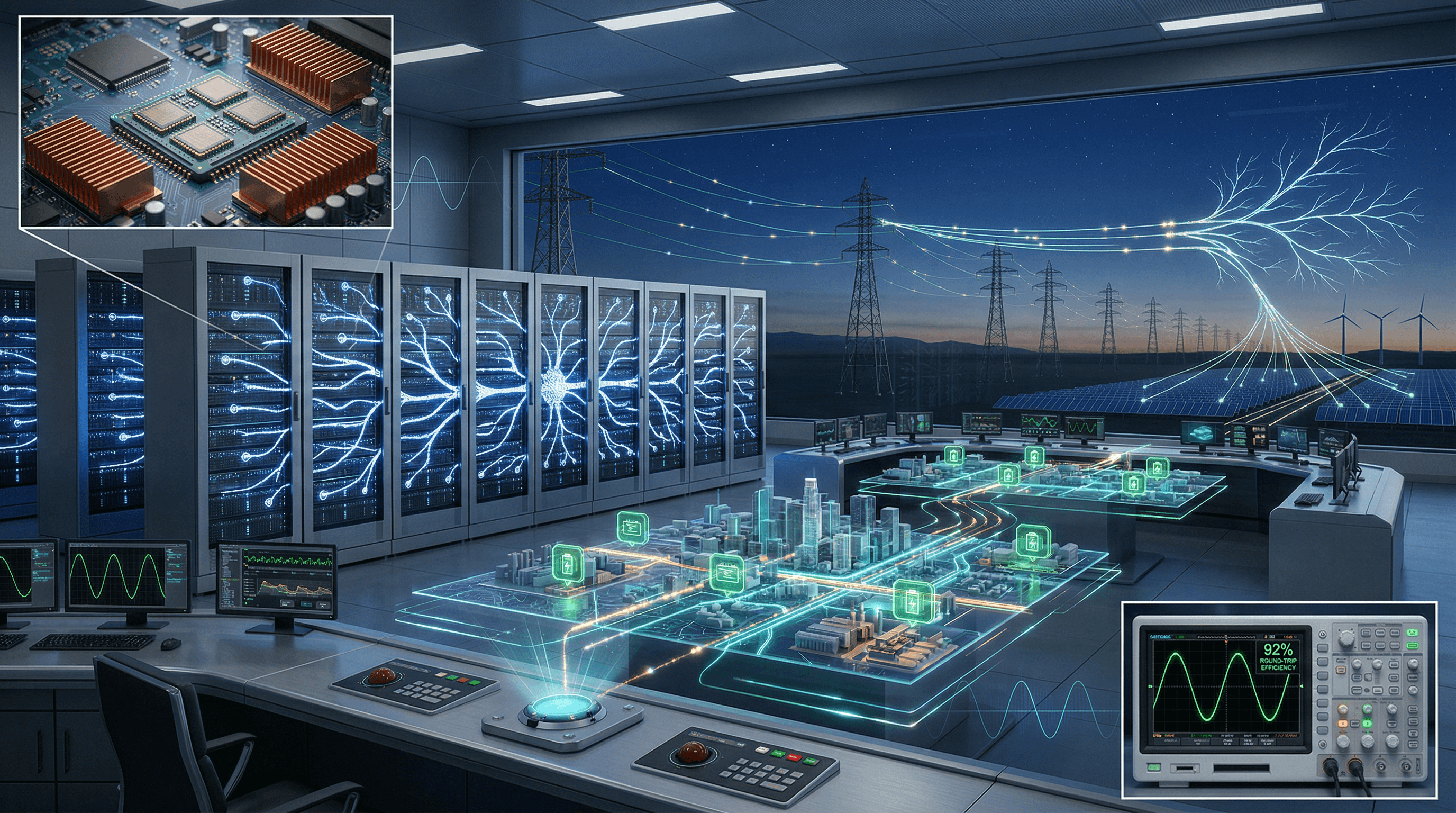
Battery management systems (BMS) optimize discharge rates. Peak power output hits 5 kW for takeoff. Round-trip efficiency measures 92% during surveys, Empa reports.
Field Trials Validate Technology Performance
Trials in Ukraine's Donetsk region cleared 50 hectares in March 2026. Drones identified 1,200 anomalies, with 87% confirmed as mines by EOD teams. False positives dropped 40% via AI refinements.
Flight logs show average 3.8-hour missions. Batteries retained 95% capacity after 200 cycles. Charging completes in 45 minutes with 10 kW DC fast chargers.
Comparative data from Phys.org highlights lithium-ion limits. Standard packs from Panasonic forced 45-minute sorties. Solid-state tech covers 10 times the area per charge.
Cost-benefit analysis projects USD 15,000 per hectare cleared. Manual methods cost USD 25,000 per hectare, per UN Mine Action Service estimates. Batteries account for 20% of drone capex.
Revenue Streams and Commercial Pathways
Spin-off company TerraSafe Batteries plans 2027 production. Initial output targets 10 MWh annually at USD 150/kWh. Demining firms ordered USD 12 million worth.
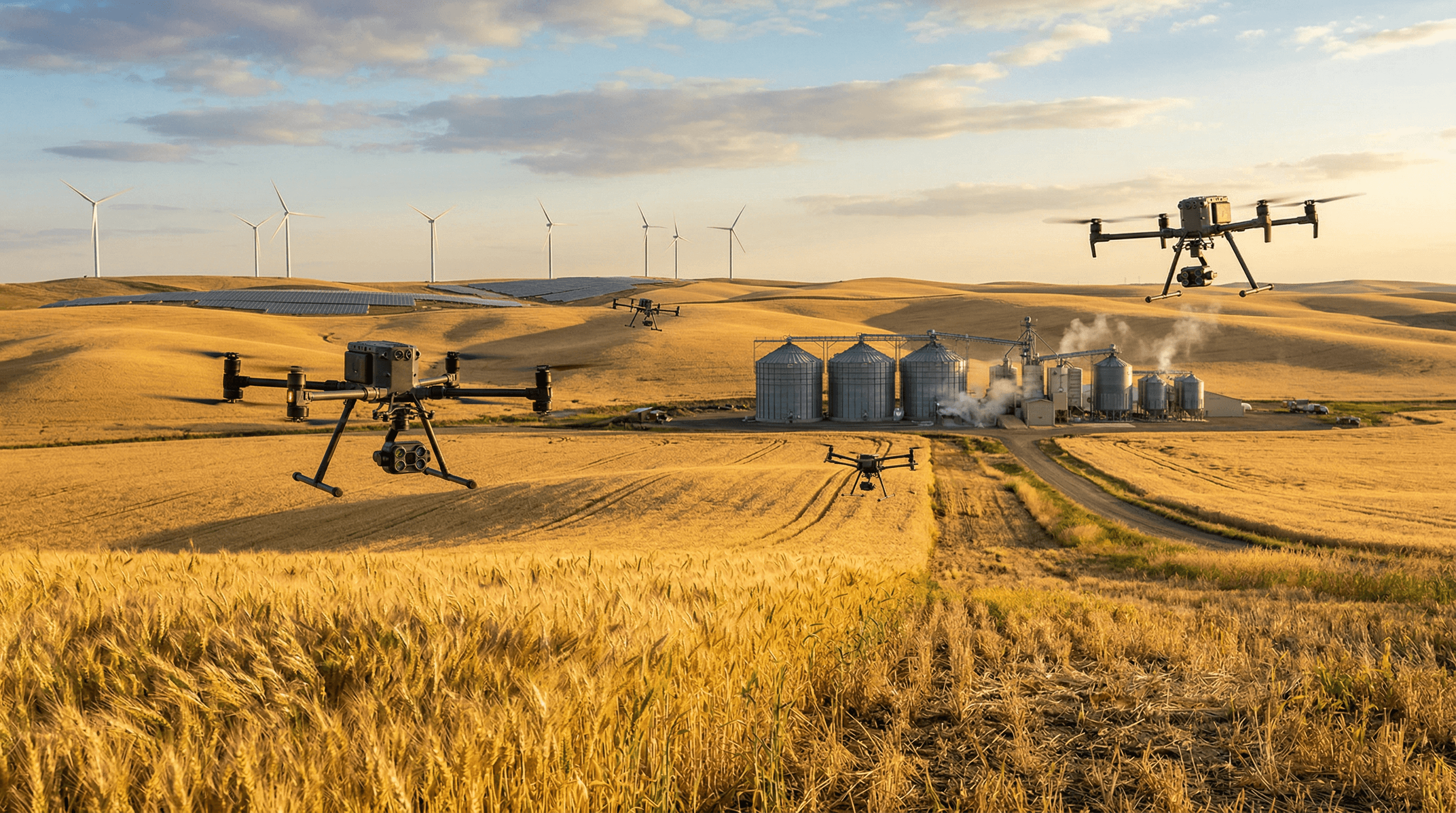
Market potential spans USD 2.5 billion by 2030, Wood Mackenzie predicts. Drone battery demand grows 25% yearly. Applications extend to agriculture and grid inspections.
EU Battery Regulation incentives support high-density cells. Import tariffs on Asian lithium-ion packs favor European solid-state production. US ARPA-E funds parallel projects at USD 50 million.
Supply chain secures lithium from Australia and sulfides from Germany. Recycling recovers 98% materials after 2,000 cycles, per Empa lifecycle analysis.
Broader Impacts of Battery Advances
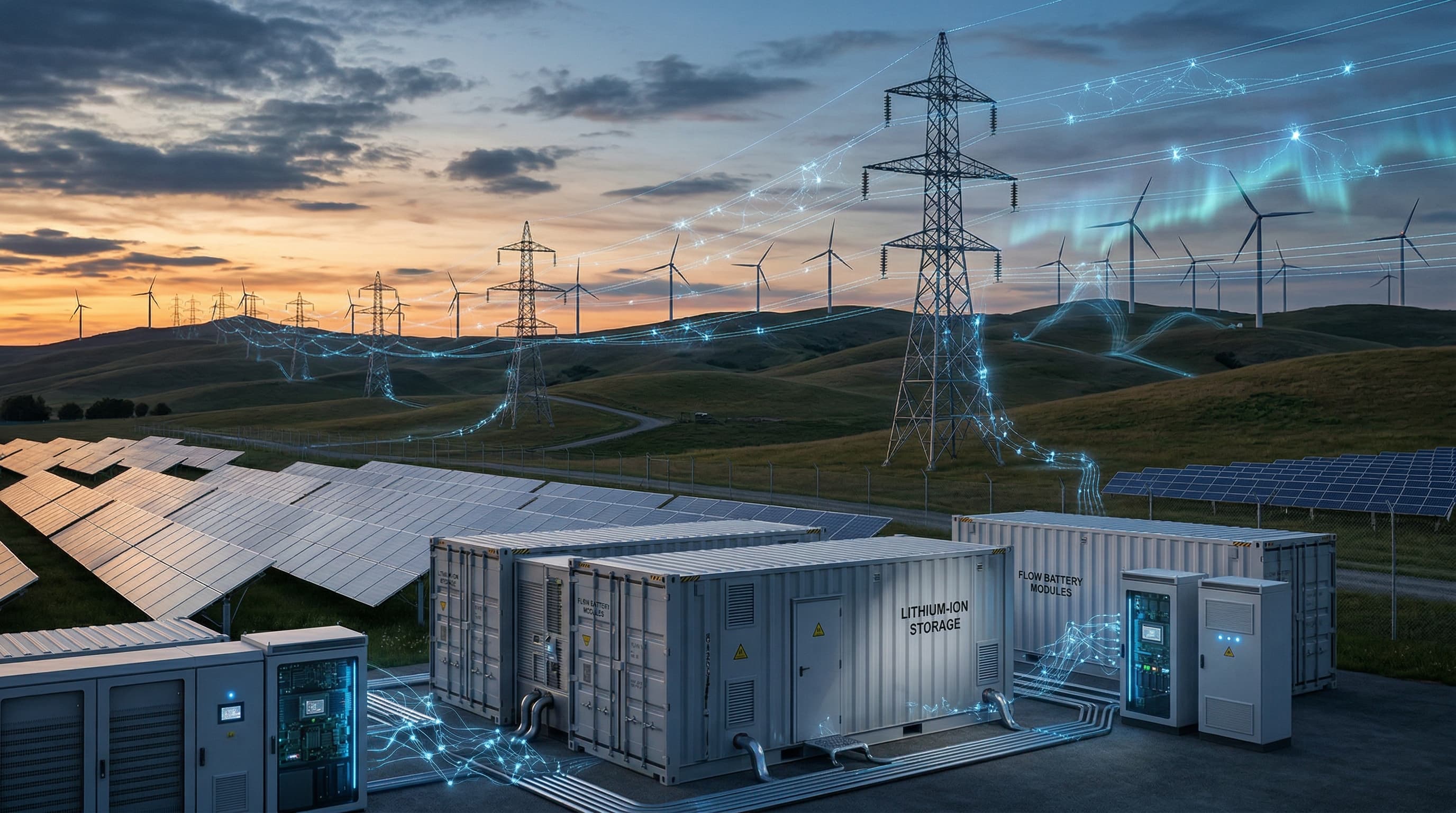
These battery advances suit long-duration energy storage (LDES) pilots. 450 Wh/kg density rivals flow battery projections. Drone tech accelerates solid-state commercialization.
Interconnection queues for grid storage prioritize high-cycle packs. Revenue stacks include frequency regulation and arbitrage, similar to drone power cycling.
Deployment forecasts show 500 MWh in drone applications by 2030. BloombergNEF data links this to 15% grid battery cost declines.
Utilities like NextEra Energy test drone-derived cells for behind-the-meter storage. 100 kW pilots launch Q3 2026.
The Bottom Line These battery advances transform landmine clearance economics and pave the way for drone-scale energy storage. Extended endurance unlocks USD 2 billion markets. Watch for 2027 scale-up announcements from EPFL spin-offs.