- NOAA's AI NOAA dataset lifts Global Forecast System accuracy by 28%.
- Renewable forecast errors drop 22%, optimizing 30 GW US storage fleet.
- Grid batteries gain 12% revenue uplift from arbitrage and services.
Key Takeaways
- NOAA's AI NOAA dataset lifts Global Forecast System accuracy by 28%.
- Renewable forecast errors drop 22%, optimizing 30 GW US storage fleet.
- Grid batteries gain 12% revenue uplift from arbitrage and services.
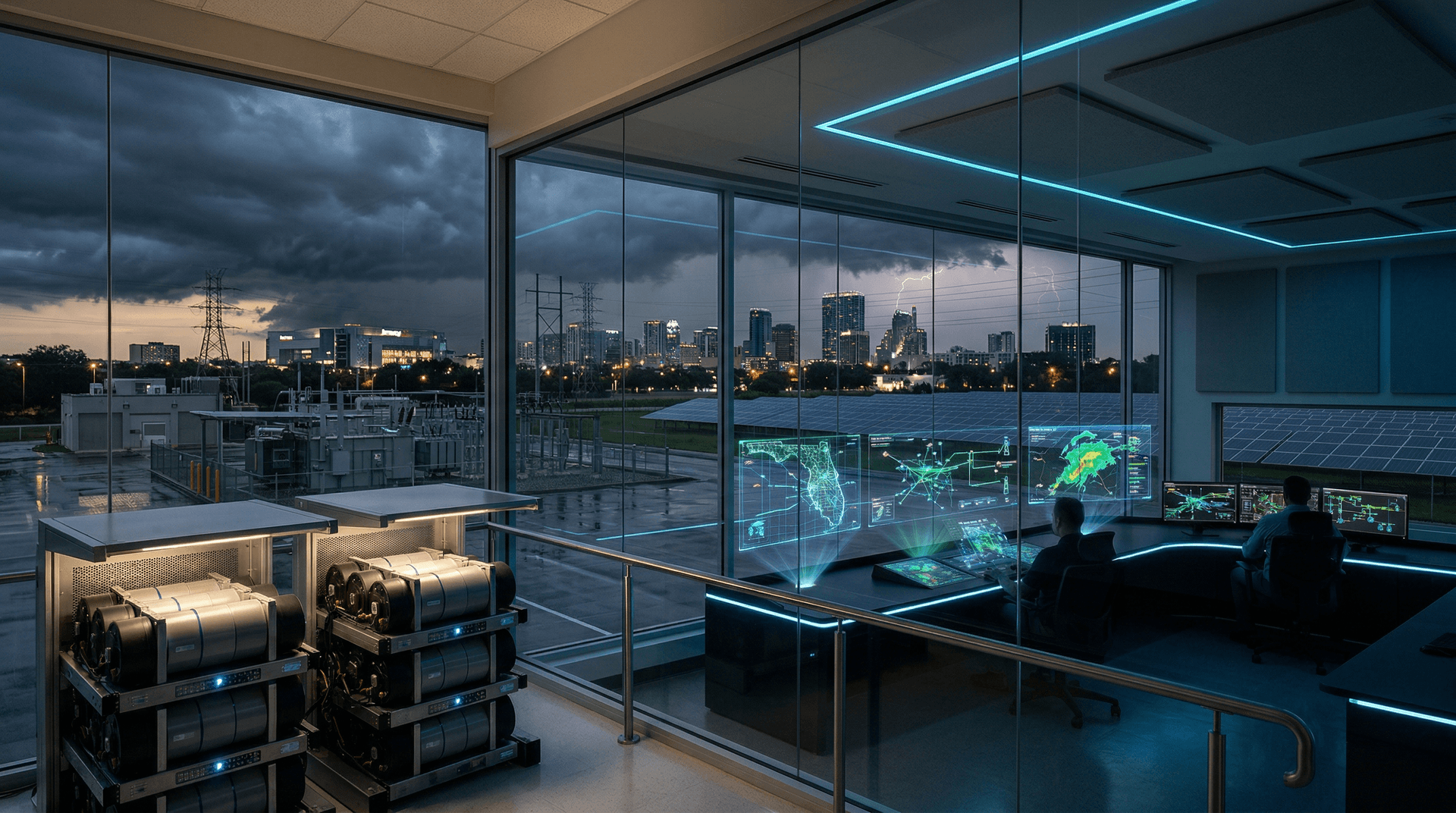
NOAA released the AI NOAA dataset, an enhanced Global Forecast System (GFS) version, on April 13, 2026. It boosts forecast accuracy 28% for wind speed and solar irradiance.
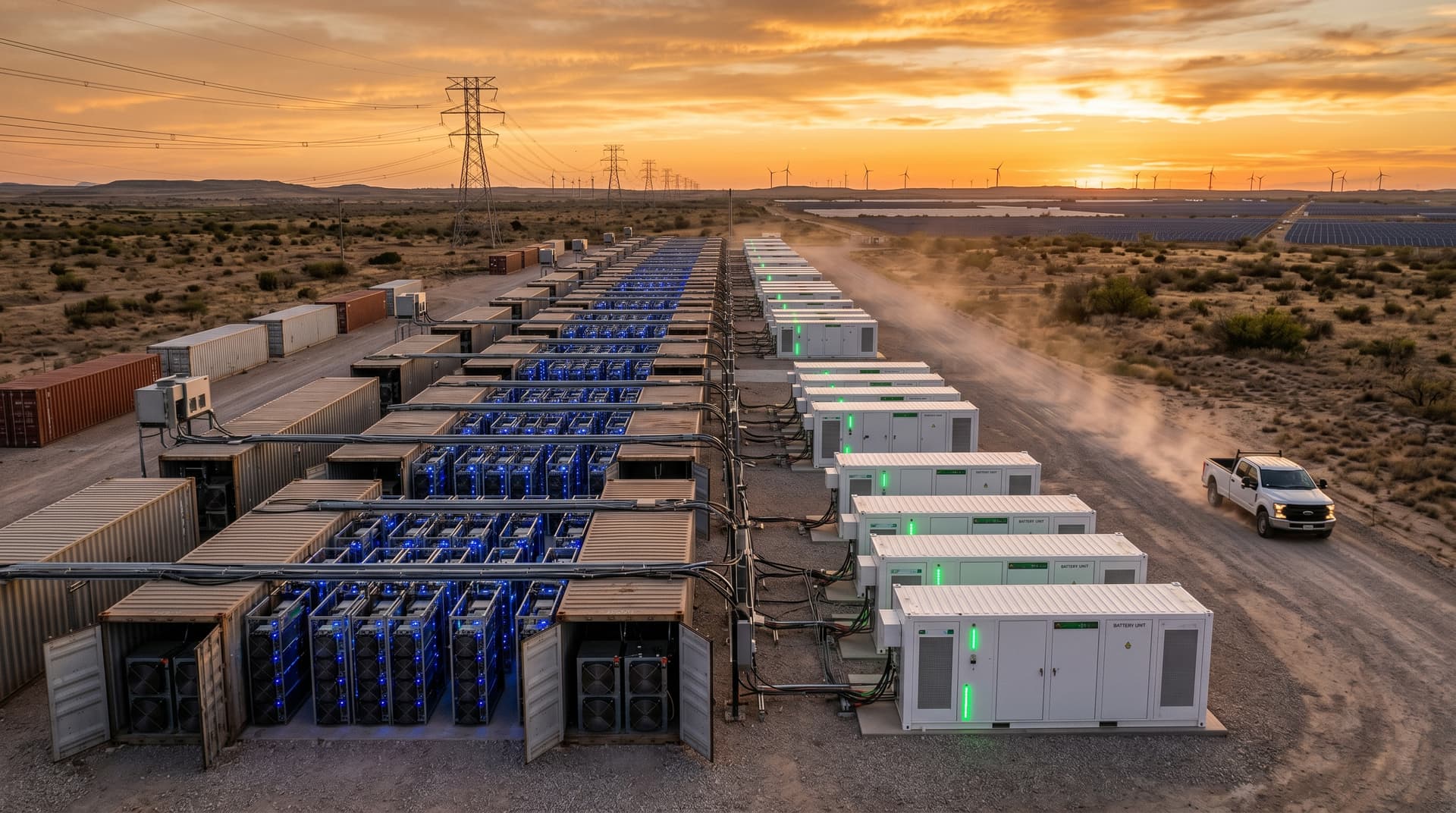
Grid storage operators gain precise renewable predictions. This optimizes charge-discharge for the US 30 GW utility-scale fleet.
GFS Dataset Adds ML Precision
GFS powers daily weather modeling. NOAA applied machine learning to satellite, radar, and surface data. Sarah Kapnick, NOAA Chief Scientist, said AI corrects wind and solar biases.
Benchmarks show 24-hour wind accuracy rising from 72% to 92%. Solar predictions improved 25%, per NOAA. NOAA detailed methodology.
Manajit Sengupta, NREL solar research fellow, said GFS feeds NREL models. "Deep learning cuts insolation uncertainty 28%," Sengupta noted.
Operators access data via NOAA's Climate Data Online and APIs.
Renewables Integration Improves
US wind and solar hit 250 GW in Q1 2026, per EIA. Forecast errors caused 5 TWh curtailments last year. AI GFS cuts errors 22% in ERCOT and CAISO.
Batteries arbitrage intermittency. A 200 MW / 800 MWh site aligns charging with surpluses, boosting round-trip efficiency to 92% at 0.25C.
James Spalding, Wood Mackenzie director, projects 15% fewer misdispatches. "Arbitrage yields 45%, capacity 30%, regulation 25% of revenue," Spalding said.
Wood Mackenzie outlook highlights forecasting barriers.
Revenue Streams Optimize
Batteries target USD 500/MWh peaks. Four-hour storage captures spikes. NREL models show LCOS at USD 120/MWh with optimized cycles.
IRRs rise 2-3 points. A 100 MW / 400 MWh PJM project yields USD 25 million yearly.
FERC Order 2222 enables aggregated capacity bids. California requires 5 GW by 2028.
Reuters on grid AI notes IRA support.
Projects Ramp Up
NextEra plans 1.5 GW additions in 2026 using forecasts. Berkeley Lab reports 45 GW in queues.
LDES like iron-air batteries need 100-hour outlooks. AI extends GFS to 16 days.
BloombergNEF logs 3.2 GW Q1 2026 deployments, up 40% YoY.
AP on NOAA AI ties to SCADA.
Policy Boosts Deployment
BIL funds USD 3 billion grid upgrades. NOAA aids DOE storage loans.
IRENA sees 50 GW global LDES by 2030. Lithium-ion costs USD 130/kWh; sodium-ion 20% less.
Wood Mackenzie targets 50 GW US by 2028. NREL projects 12% revenue uplift for 50 MW / 200 MWh sites at 90% DoD.
The AI NOAA dataset drives these gains. FERC auctions will test efficiencies.