By Emma Richardson April 11, 2026
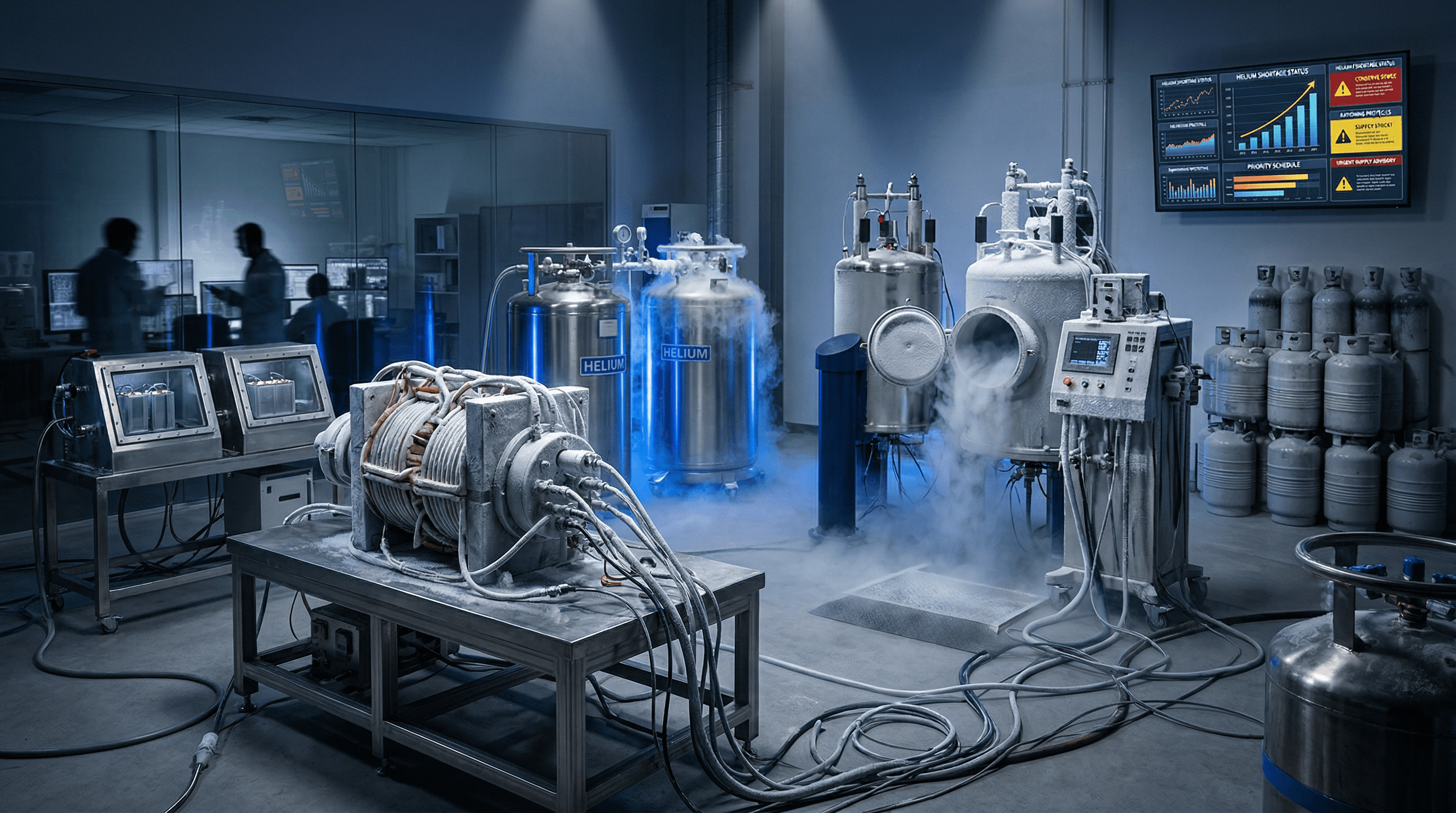
Helium shortage delays cryogenic battery testing by 25% at Argonne National Laboratory. Prices hit USD 450/m³ as of April 11, 2026, per USGS data. Cryogenic systems drive solid-state and superconducting storage advances.
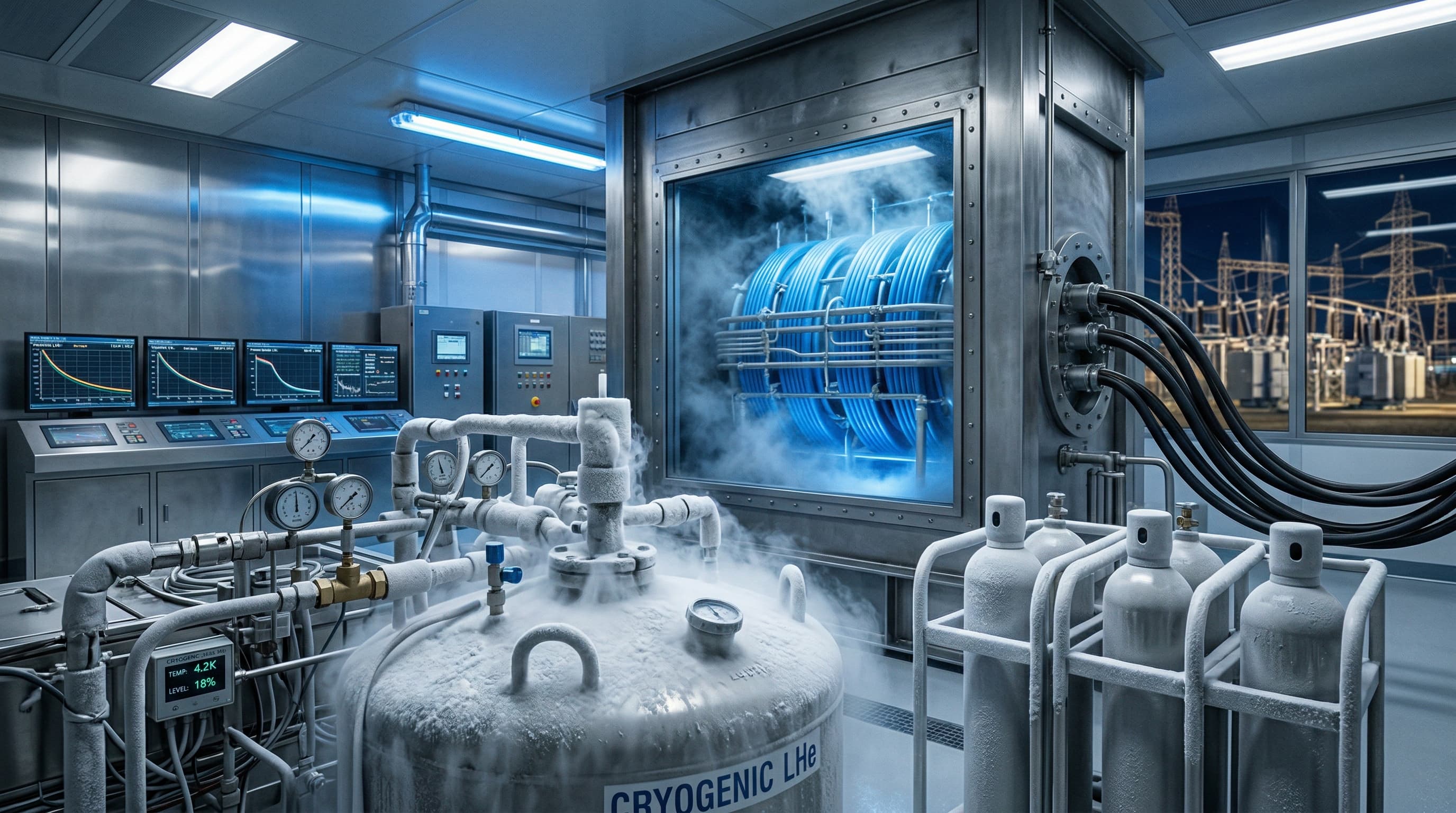
Battery developers rely on helium for low-temperature material characterization. Nuclear magnetic resonance (NMR) spectrometers use liquid helium to cool superconducting magnets. These tools analyze electrolyte stability in lithium-metal cells.
Grid storage prototypes suffer too. Superconducting magnetic energy storage (SMES) systems require 4 Kelvin cooling. Helium scarcity halts scaling tests at Sandia National Laboratories.
Helium's Critical Role in Cryogenic Battery Technology
Liquid helium cools NMR magnets to 4.2 Kelvin. Researchers at MIT used these systems to map dendrite formation in lithium-metal anodes. The technique revealed degradation at 0.1C rates over 500 cycles.
Without helium, labs shift to higher-temperature alternatives. These produce noisier spectra and miss subtle phase transitions. Argonne data shows 40% fewer publications on cryo-electrochemistry since Q1 2026.
Helium leak detection ensures battery cell hermeticity. Production lines at CATL test gigafactory-scale packs with helium tracers. Shortages force nitrogen substitutes, raising defect rates by 15%, per company filings.
Cryogenic milling processes electrode materials. Universities like Stanford pulverize silicon anodes at 77 Kelvin. This preserves nanostructure for 20% higher energy density versus room-temperature methods.
Helium Shortage: Surge in Demand Meets Supply Crunch
USGS tracked helium production at 160 million m³ in 2025, down 18% from 2024. Russia’s Amur plant ramped output by 20 million m³, but geopolitical tensions cut exports.
Prices climbed from USD 35/m³ in January 2026 to USD 450/m³ as of April 11, 2026. Industrial Gas Association data shows battery research consumes 5% of global helium, up from 2% in 2023.
Grid storage amplifies pressure. A 100 MW SMES pilot by ABB demands 50,000 m³ annually. Shortages idled the project three months, per company statements.
Quantum computing overlaps with storage R&D. IBM’s cryo-qubits test battery-inspired materials. Helium rationing there diverts supply from energy labs.
Impacts on Advanced Battery Technologies
Solid-state battery developers face headwinds. QuantumScape paused cryo-cycling tests for its A0 cells. Lab data showed 900 Wh/L density at -50°C, but helium limits validation.
Cycle life suffers without precise NMR. NREL researchers quantified solid electrolyte interphase growth. Helium shortages extend timelines by six months, per internal memos.
Lithium-metal anodes need cryo protection. Dendrites form above 0°C, slashing efficiency to 85%. Cool storage at 4 Kelvin stabilizes interfaces for 1,000 cycles at 98% retention.
Flow battery R&D incorporates cryo components. Vanadium redox prototypes use helium-purged cryostats. Shortages raise LCOS to USD 120/MWh from USD 90/MWh, Wood Mackenzie estimates.
SMES Grid Storage Projects in Peril
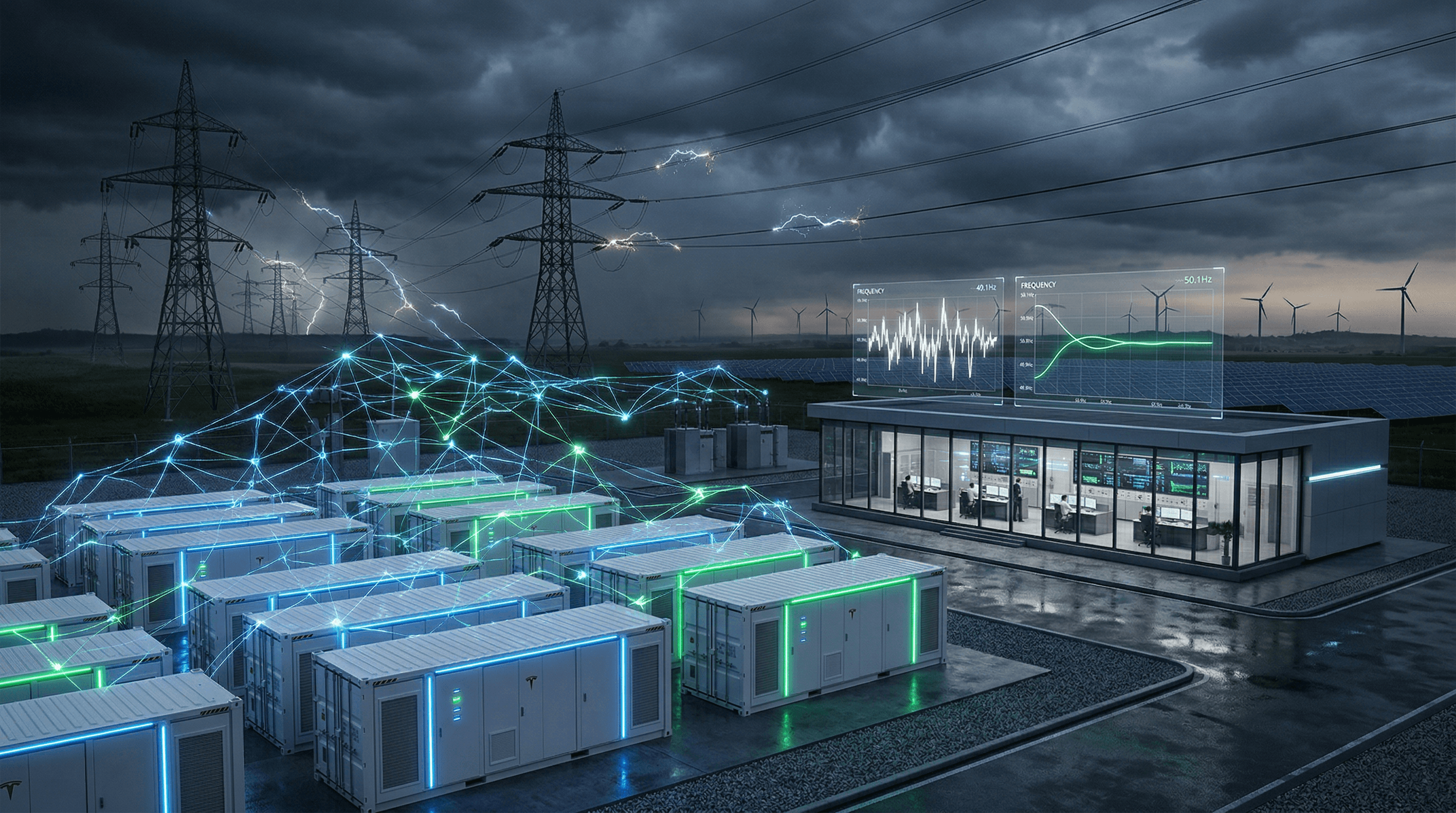
SMES delivers 95% round-trip efficiency. Systems store energy in magnetic fields at 4 Kelvin. General Electric’s 50 MW unit awaits helium for commissioning.
Depth of discharge reaches 100% in SMES. Response times hit milliseconds, ideal for frequency regulation. Helium costs now equal 12% of capex, up from 2%.
High-temperature superconductors (HTS) ease helium reliance. Liquid nitrogen at 77 Kelvin suffices. Yet energy density lags at 10 Wh/kg versus SMES’s 50 Wh/kg.
Projects like California’s 200 MW/800 MWh SMES hybrid stalled. FERC approved incentives, but supply chains block progress. Developers eye 2028 deployment slips.
Hunt for Helium Alternatives
Closed-cycle cryocoolers recycle helium. Sunpower’s systems recover 99% gas. Adoption costs USD 500,000 per unit, limiting use to large labs.
Hydrogen cooling emerges for 20 Kelvin. NASA tests suit SMES prototypes. Efficiency drops 5%, but supply abounds at USD 5/kg.
Recycling plants process 30% of used helium. Air Liquide expanded capacity to 40 million m³ yearly. Purity hits 99.999%, suitable for NMR.
Manufacturing shifts to helium-free leak tests. Ultrasonic methods detect 90% of flaws. Battery firms like LG Energy Solution invest USD 100 million in transitions.
Commercialization Timelines Stretch
Battery makers project USD 80/kWh packs by 2028. Cryo delays push this to 2030, per BloombergNEF. Energy density gains stall at 350 Wh/kg.
Grid storage LCOS climbs 15%. SMES targets USD 200/kWh system cost. Helium volatility adds USD 25/kWh uncertainty.
Investors pull back. Venture funding for cryo-tech dropped 22% in Q1 2026, PitchBook data shows. Focus shifts to ambient-temperature sodium-ion.
Partnerships accelerate fixes. DOE funds USD 50 million for recycling. National labs collaborate with Linde on pulse-tube coolers.
Why It Matters
Helium shortages expose battery R&D vulnerabilities. Cryogenic tools unlock 30% energy density gains and 2x cycle life. Resolutions via recycling and HTS could restore timelines by 2027.
Grid operators need SMES for renewables integration. Delays risk USD 5 billion in lost efficiency savings, per IEA models. Watch USGS production reports and Air Liquide expansions for recovery signals.
The industry pivots to resilient tech. Sodium-ion and LFP scale without cryo. Yet superconductors promise unbeatable efficiency. Helium conservation buys time for breakthroughs.