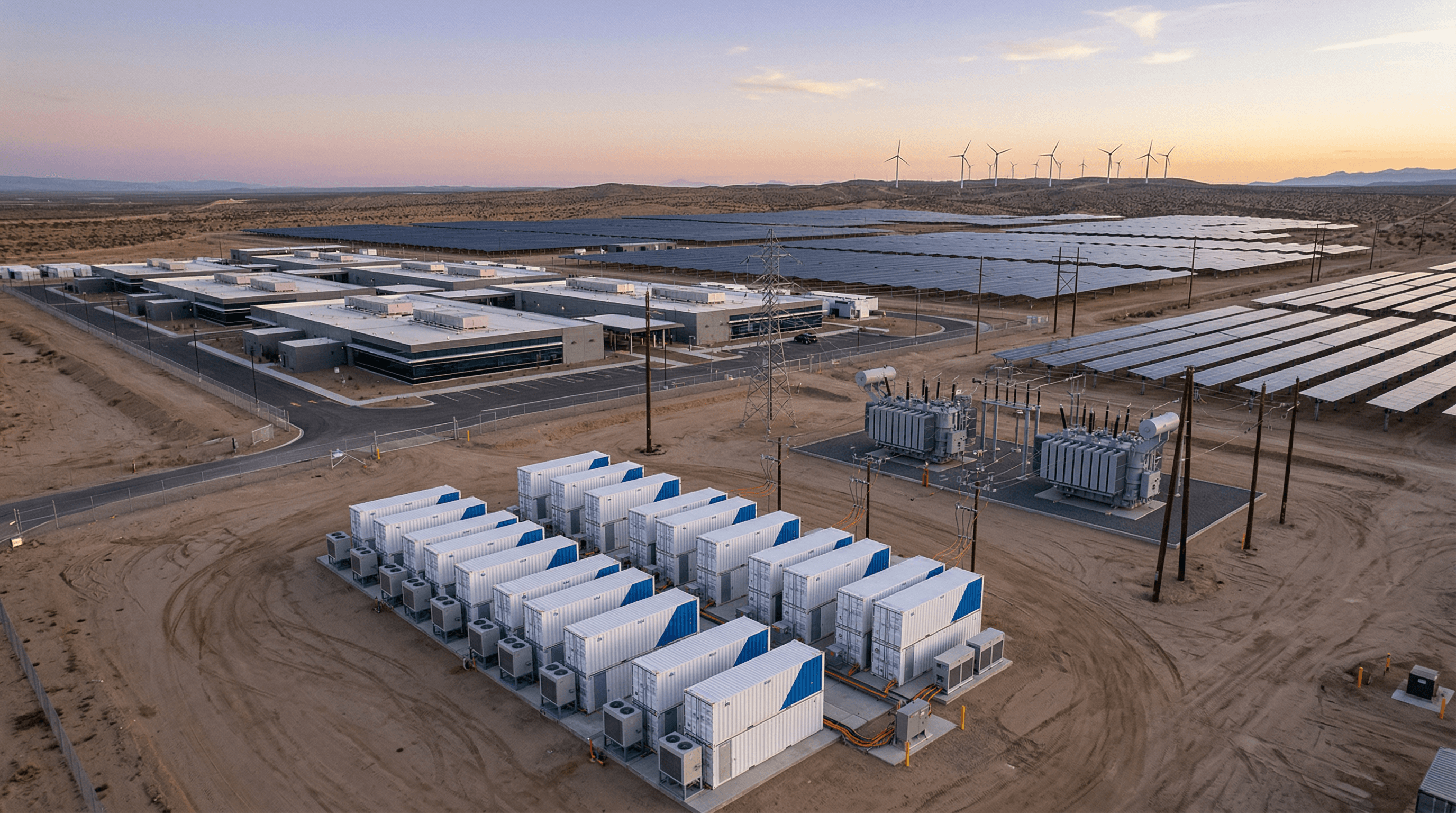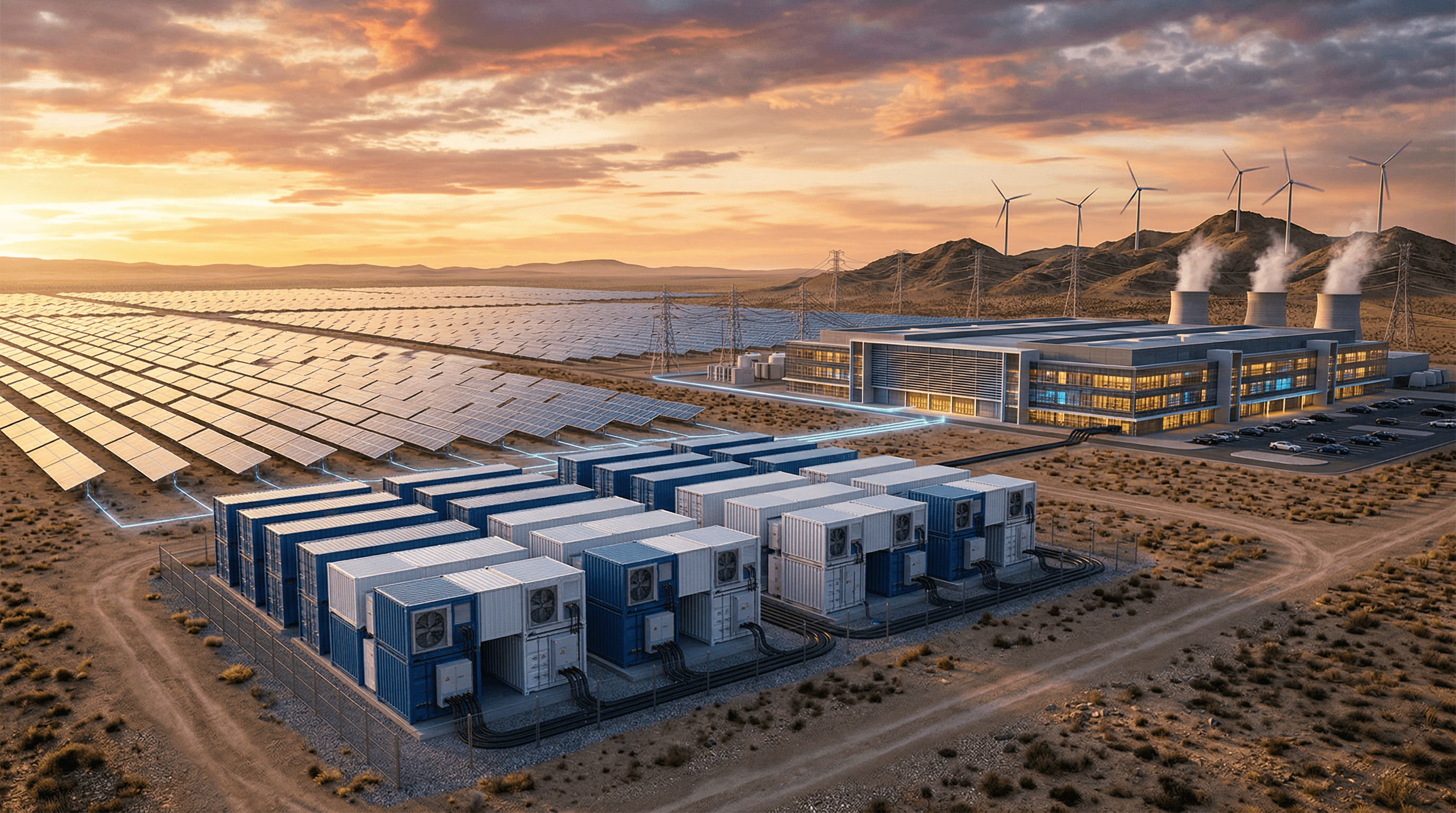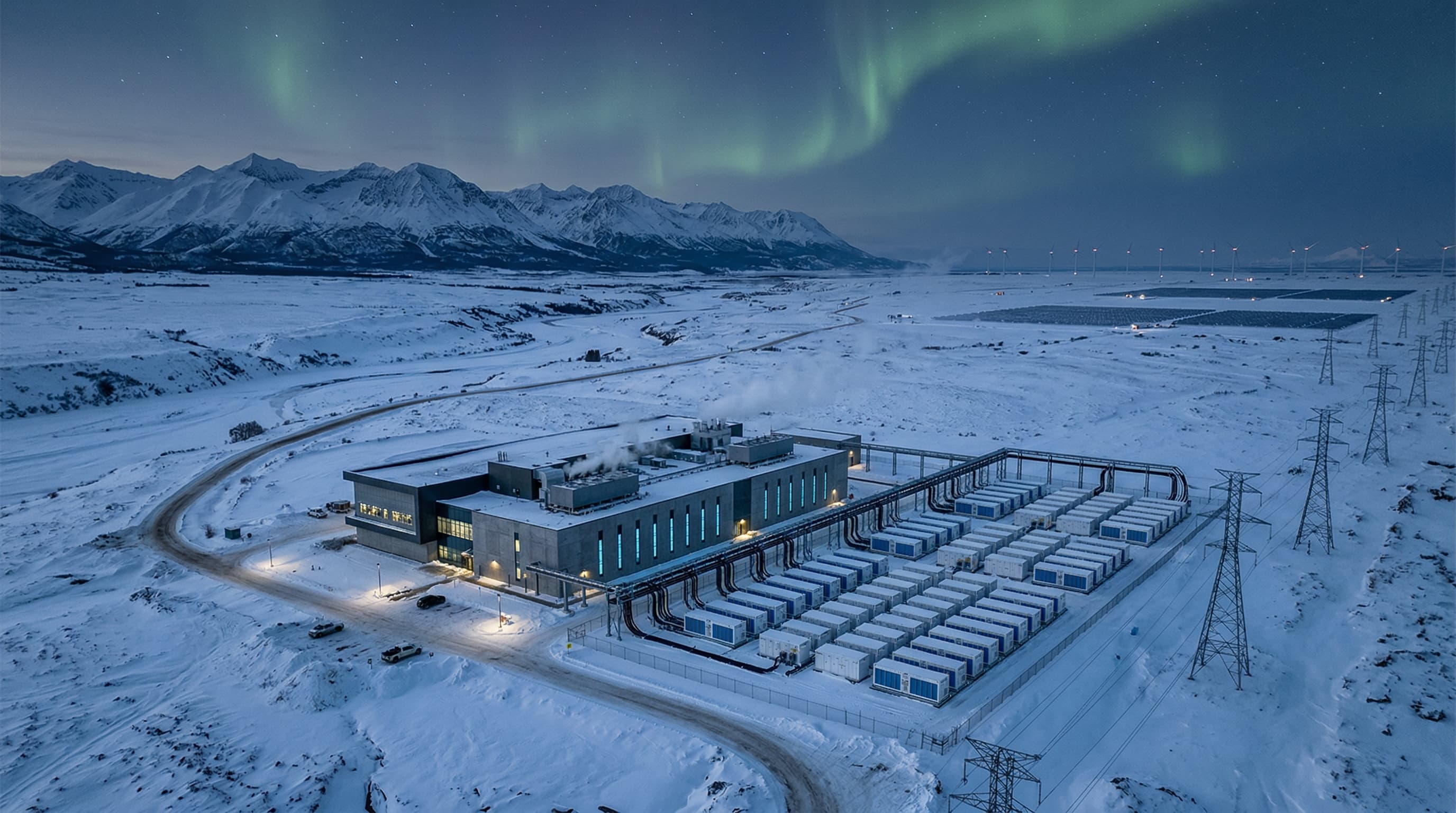
Grid storage demand surges as the Department of the Air Force (DAF) announced on April 11, 2026, plans for 1.2 GW AI data centers at Alaskan bases. Projects require 4.8 GWh capacity for power stability amid high loads and renewables.
Eielson Air Force Base and Joint Base Elmendorf-Richardson host lead sites. DAF targets AI for defense simulations and data processing. Batteries balance intermittent renewables in remote locations.
Military Investment in AI Infrastructure
DAF allocated USD 450 million for initial site assessments and power upgrades, per DAF press release. DAF awards contracts to local utilities and storage developers. Commissioning targets late 2028.
AI workloads demand constant uptime. Sites average 50-100 MW loads, per International Energy Agency 2025 report. Alaska's cold climate aids cooling but stresses grids.
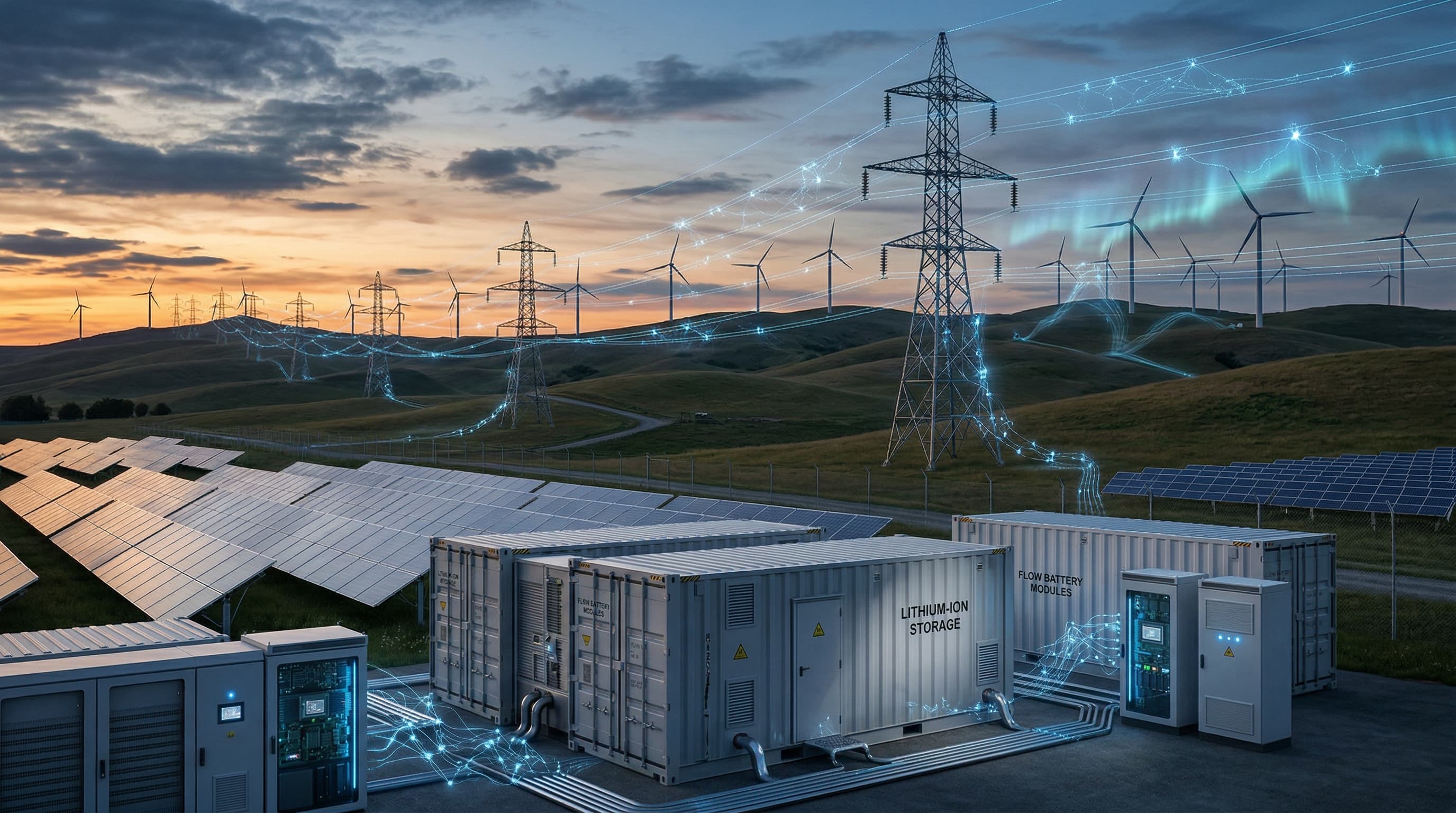
Developers propose lithium-ion systems initially. Later phases target long-duration iron-air batteries. DAF requires 4-hour duration at full load, per DAF project specs.
Surging Power Requirements for AI
Global AI data centers reach 105 GW by 2026, per Goldman Sachs Research. U.S. military projects contribute 1-2% to that growth. Alaska's 1.2 GW sites need 4.8 GWh grid storage at 4-hour duration.
Peak demand spikes hit during AI training. Industry blackouts cost USD 10 billion annually, per Uptime Institute 2025 report. Storage provides frequency regulation and peak shaving.
Chugach Electric plans 500 MW interconnections, per DAF plans. The utility pairs solar farms with batteries. Modern systems achieve over 85% round-trip efficiency at 1C discharge.
Renewables supply 30% of base power, per Department of Defense reports. Alaska's wind potential reaches 1 GW statewide, per National Renewable Energy Laboratory.
Grid Storage Technologies and Projects
Developers evaluate chemistries for Alaska's cold climate. Key metrics at 25°C:
| Chemistry | Wh/kg | Wh/L | Cycles (80% SoH) | USD/kWh | Source | |-------------|-------|------|------------------|---------|--------------------| | Lithium-ion | 250 | 700 | 5,000 | 150 | BloombergNEF Q1 2026 | | Iron-air | 30 | 50 | 5,000+ | 100 | Form Energy specs |
Lithium-ion leads at USD 150/kWh, per BloombergNEF Q1 2026.
Long-duration options:
| Chemistry | Wh/kg | Wh/L | Cycles (80% SoH) | USD/kWh | Source | |--------------|-------|------|------------------|---------|--------------------| | Vanadium flow| 25 | 40 | 20,000 | 300 | Invinity datasheets| | Solid-state | 400 | 1,000| 1,000 | 200 | QuantumScape 2027 | | Sodium-ion | 160 | 340 | 4,000 | 120 | Argonne NL tests |
Projected. Sodium-ion retains 80% capacity at -20°C.
Projects stack arbitrage and capacity market revenues. Alaska pays USD 50/MW-month for capacity.
Flow batteries enable 10-hour discharge. Invinity Energy eyes pilots. QuantumScape's solid-state hits 90% efficiency by 2027.
Interconnection queues grow 20% yearly, per FERC filings. Storage speeds approvals with black-start capability.
Eielson targets 300 MW / 1.2 GWh grid storage, per DAF announcements. Fluence Energy won USD 180 million contract. Construction starts Q3 2026.
Policy Support and Incentives
Inflation Reduction Act grants 30% Investment Tax Credit for storage over 5 MW. Alaskan projects add bonus credits for domestic content plus 10% state rebates.
FERC Order 2023 streamlines storage integration. Military bases bypass some reviews, cutting timelines to 18 months.
Department of Energy allocates USD 100 million for Arctic grid resilience. Grants favor hybrid wind-storage systems. Alaska deployed 200 MWh last year, per Wood Mackenzie.
Deployments grew 45% year-over-year. Argonne National Laboratory tests sodium-ion batteries.
Financial Models and Revenue Stacks
Projects achieve 12-15% IRR through stacked revenues. Energy sales yield USD 40/MWh. Ancillary services add USD 20/MWh, per Aurora Energy Research.
Capital costs fell 15% in 2025 to USD 140/kWh, per NREL. Alaska imposes 10% logistics premium. Tax equity covers 40%.
Chugach Electric issued RFP for 800 MWh on April 11, 2026. Bidders include Tesla and NextEra Energy.
Broader Market Implications
Alaskan demand boosts U.S. storage pipeline by 5%. Grid-scale reaches 25 GW by 2027, per EIA. AI drives 30% of new loads.
Lithium supply chains tighten. Thacker Pass mine ramps domestic output. DOE loans support 50 GWh annual production.
Bases pilot vehicle-to-grid using EV fleets. Second-life batteries cut costs 30%. GM and Rivian partner with DAF.
Hyperscalers compete: Microsoft deploys 500 MW in Texas with 2 GWh storage. Military scales match commercial projects.
The Bottom Line
DAF's Alaskan AI data centers accelerate grid storage adoption. Batteries ensure reliability for 1.2 GW loads. Developers eye USD 2 billion in contracts through 2030.