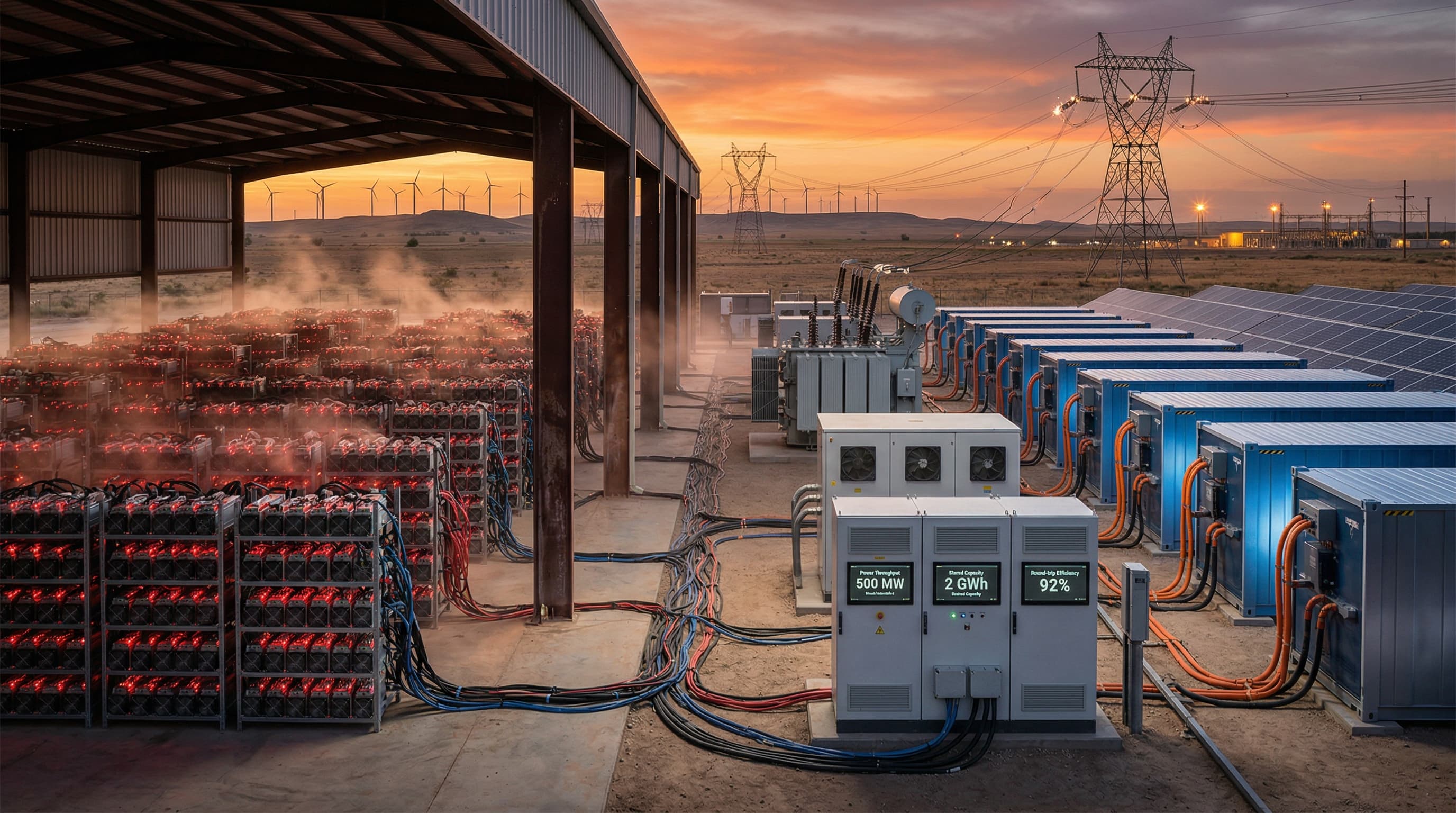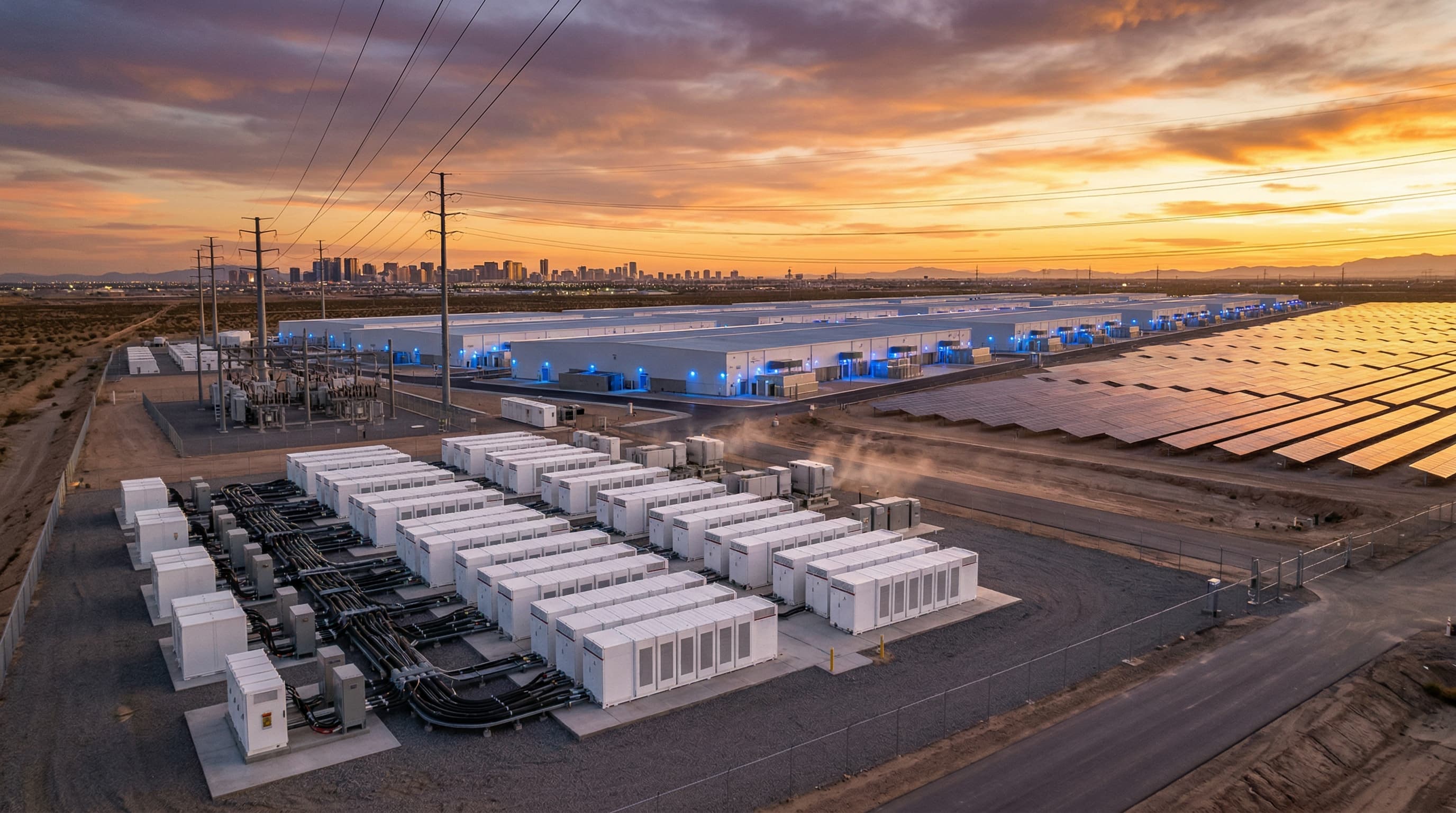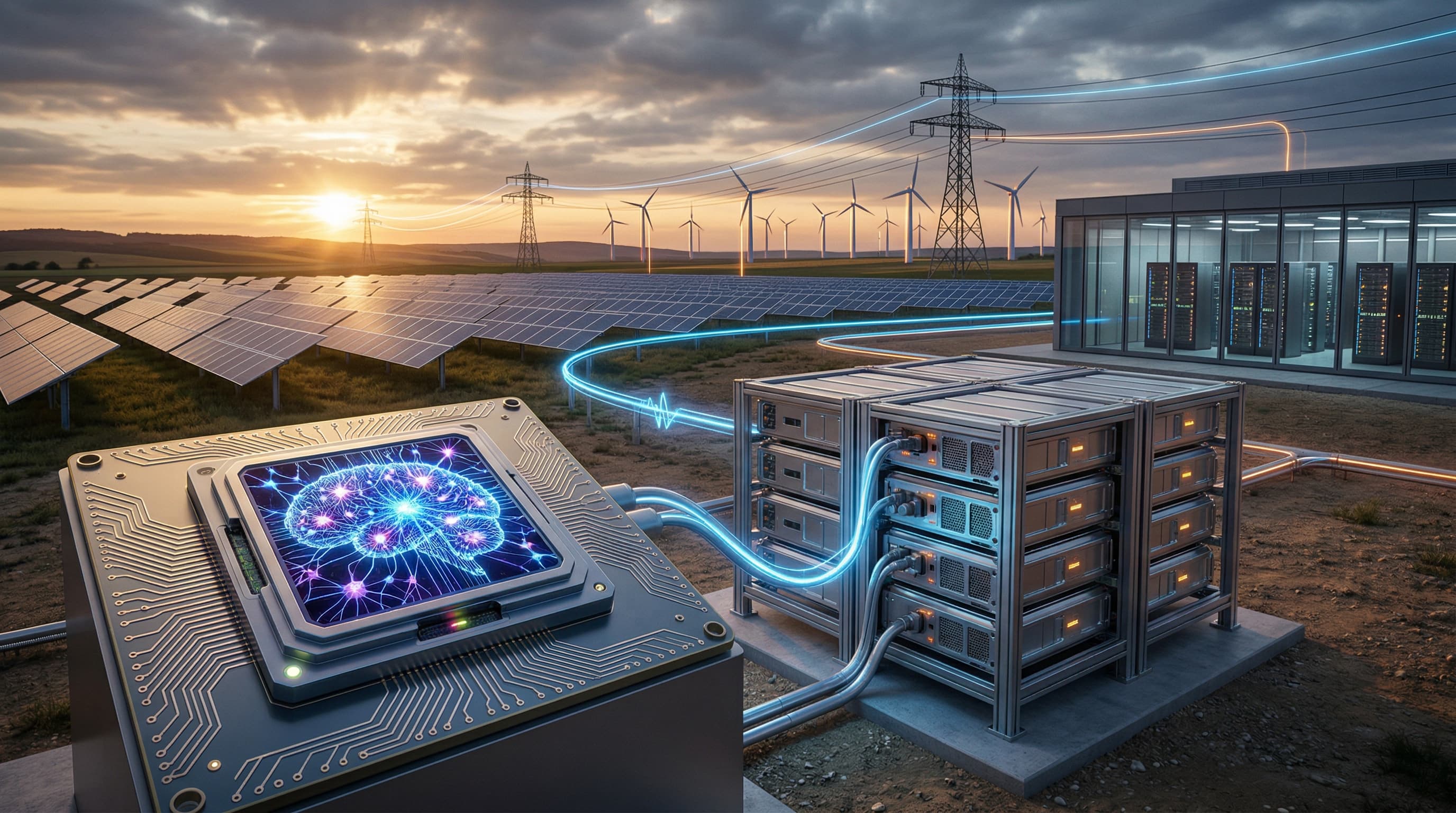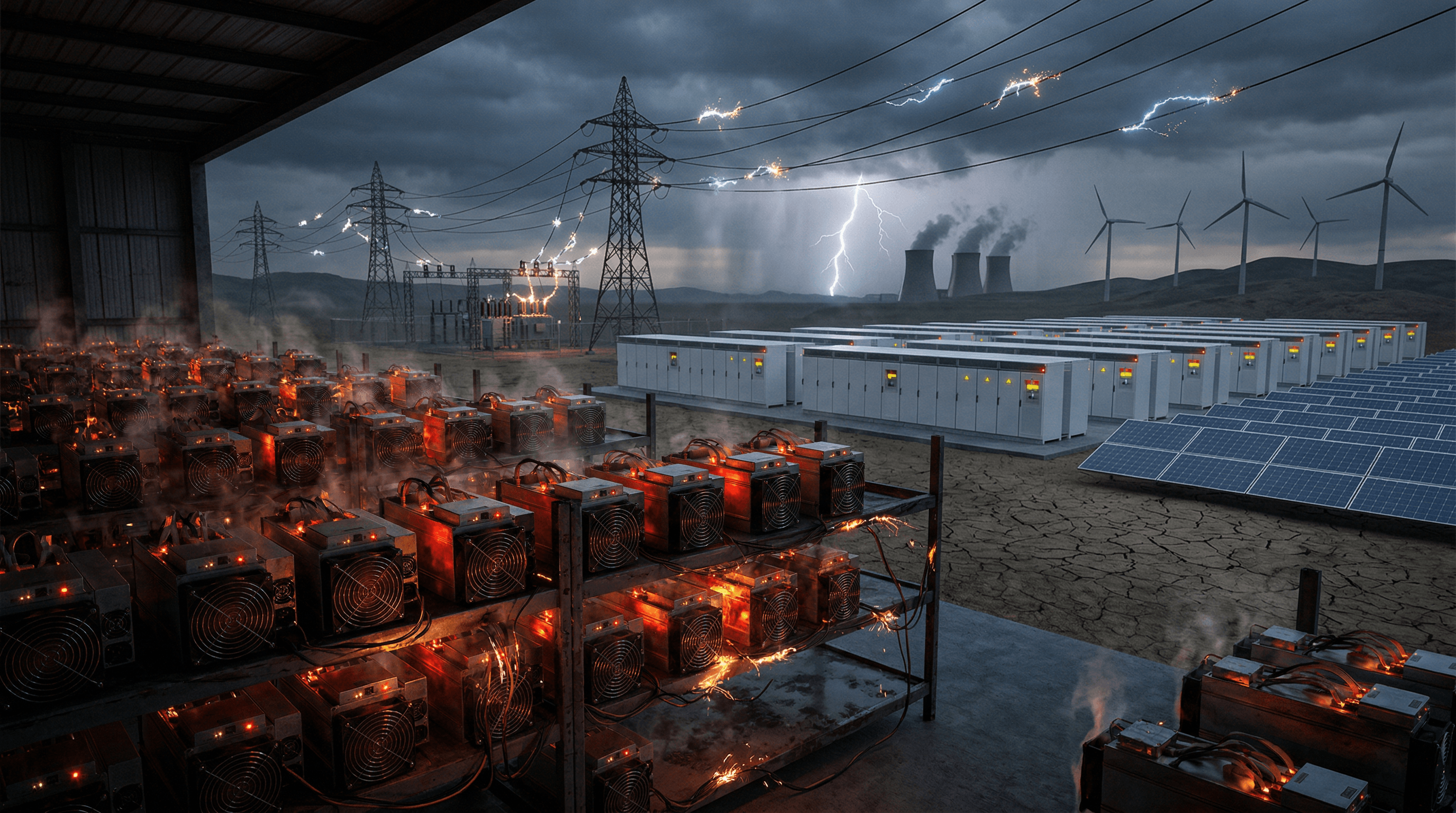
Dutch economist Alexander de Vries warned on TheStreet.com on October 10, 2024, that Bitcoin mining strains grid storage stability worldwide. Surging power demands risk crashing BTC prices to zero amid shortages. Batteries compete fiercely for grid resources.
Bitcoin traded at USD 72,574 on CoinMarketCap that day, up 0.5%. The Fear & Greed Index hit 16, signaling extreme fear (alternative.me). Ethereum stood at USD 2,227.77, up 0.4%. Mining operations pull power from storage-dependent grids.
Bitcoin Energy Use Escalates Grid Storage Strain
Bitcoin's network will consume an annualized 210 TWh by Q1 2026 projections, matching Poland's yearly electricity use (Cambridge Bitcoin Electricity Consumption Index, CBECI). Miners target low-cost regions like Texas and Kazakhstan.
Grid operators report 25 GW global peak demand from mining rigs (CBECI). This baseload competes directly with battery storage deployments. Renewables integration suffers.
Storage developers secure firm power contracts for charge-discharge cycles. Miners outbid them in deregulated markets. De Vries highlights eroded grid reliability from this competition.
Mining Disrupts Grid Storage in Key Regions
Texas ERCOT grid faces 15 GW mining demand by March 2026 projections (ERCOT filings). This delayed 2 GW of battery projects by six months (Plus Power).
MISO reports mining claiming 10% of planned storage capacity (MISO reports). PJM Interconnection sees similar trends in the Northeast. Batteries lag in interconnection queues.
Kazakhstan miners shift hash power after outages, stressing EU grids. The EU Battery Directive mandates long-duration energy storage (LDES). Mining volatility hampers sodium-ion pilots.
NREL simulations indicate a 2% round-trip efficiency drop for batteries under mining peaks. Operators limit depth-of-discharge to protect packs.
Battery Technologies Face Mining Pressures
Lithium iron phosphate (LFP) batteries led 2025 grid storage at 400 MWh scale (BloombergNEF). LCOS hits USD 120/MWh for four-hour systems. Mining accelerates calendar aging and cycle degradation.
Vanadium flow batteries offer longer duration at USD 250/kWh installed (Vanadium Flow Technologies). Form Energy's iron-air LDES pilots target 100 hours. Power scarcity delays scale-up.
Solid-state batteries hit 800 Wh/kg in labs (QuantumScape). Production ramps aim for 2028 at USD 80/kWh. Mining crises postpone grid pilots.
CATL reports 20% surge in utility-scale pack demand. Australian lithium supplies strain. Cobalt-free chemistries gain traction.
Policies Counter Mining's Impact on Grid Storage
FERC Order 2023 accelerates storage interconnections despite mining (FERC docket). New York imposes peak surcharges on miners (NYISO). Batteries gain dispatch priority.
EU Net-Zero Industry Act restricts high-emission loads. German regulators threaten miner curtailment (Fraunhofer ISE). Storage auctions prioritize renewables.
US Inflation Reduction Act (IRA) offers USD 40/kWh ITC for storage. Miners lobby in response. Policymakers prioritize grid stability.
China controls 60% of global hash rate post-2021 ban (CBECI). State grids divert hydropower to mining, limiting battery exports.
Deployment Timelines Shift for Grid Storage
Global utility-scale storage reaches 50 GW by end-2025 (Wood Mackenzie). Mining cuts 2026's 15 GW addition by 3 GW. Developers pivot to regulated markets.
EV vehicle-to-grid (V2G) adds 5 GWh daily flexibility (NREL V2G Hub). Mining night loads misalign with solar peaks. Batteries bridge gaps.
BNEF projects grid storage LCOS at USD 100/MWh by 2030. Mining adds USD 20/MWh risk premium. Investors demand resilience metrics.
Tesla Megapacks include mining curtailment clauses. Fluence adds dynamic pricing for miner loads.
Supply Chains Highlight Grid Storage Risks
Lithium prices hold at USD 15,000/tonne (S&P Global Platts). Mining bids lift electricity to USD 80/MWh. Storage CAPEX rises 10%.
Indonesia supplies nickel for NMC cathodes, but logistics delay. CATL scales sodium-ion to 10 GWh at 160 Wh/kg. These fit grid needs.
Redwood Materials recovers 95% lithium from EV batteries. Second-life packs enter grids at USD 50/kWh. Mining speeds fleet turnover.
IEA forecasts minerals surplus by 2028. Shortages prioritize storage over mining.
Outlook: Grid Storage Prevails Amid Mining Threats
De Vries underscores mining risks to grid storage expansion. IEA targets 100 GW global demand by 2030, favoring resilient batteries. Regulators enforce balance via FERC, ERCOT, and EU actions. Grid storage fortifies renewables with priority.