- AI cyber defenders cut V2G threat responses to 30 seconds (Sandia National Labs).
- FERC Order 2222 mandates AI monitoring by 2027; USD 1M daily fines apply.
- Cyber risks raise LCOS 12% to USD 150/MWh (Wood Mackenzie).
By Vivian Underwood, Policy Editor | April 16, 2026
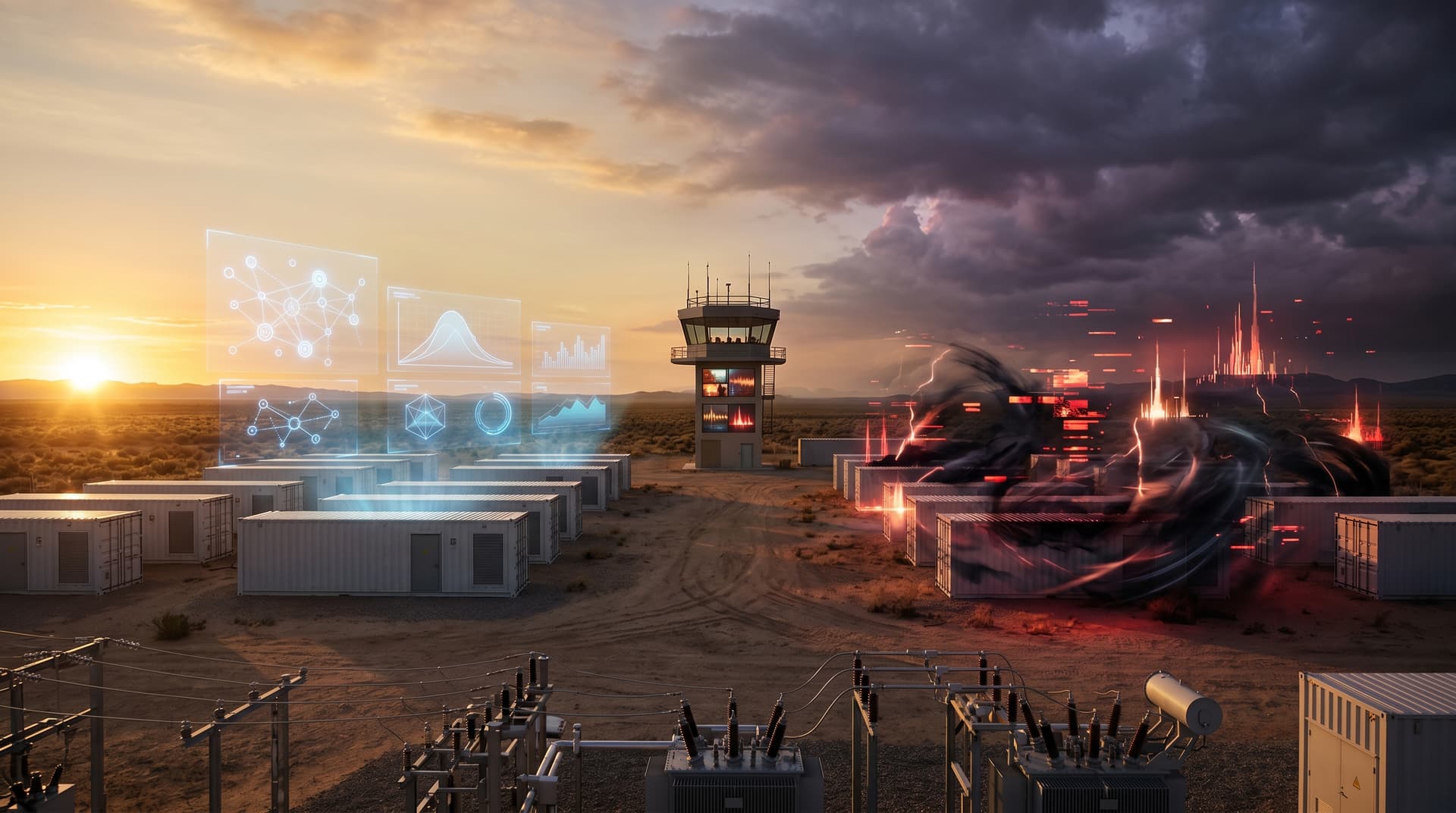
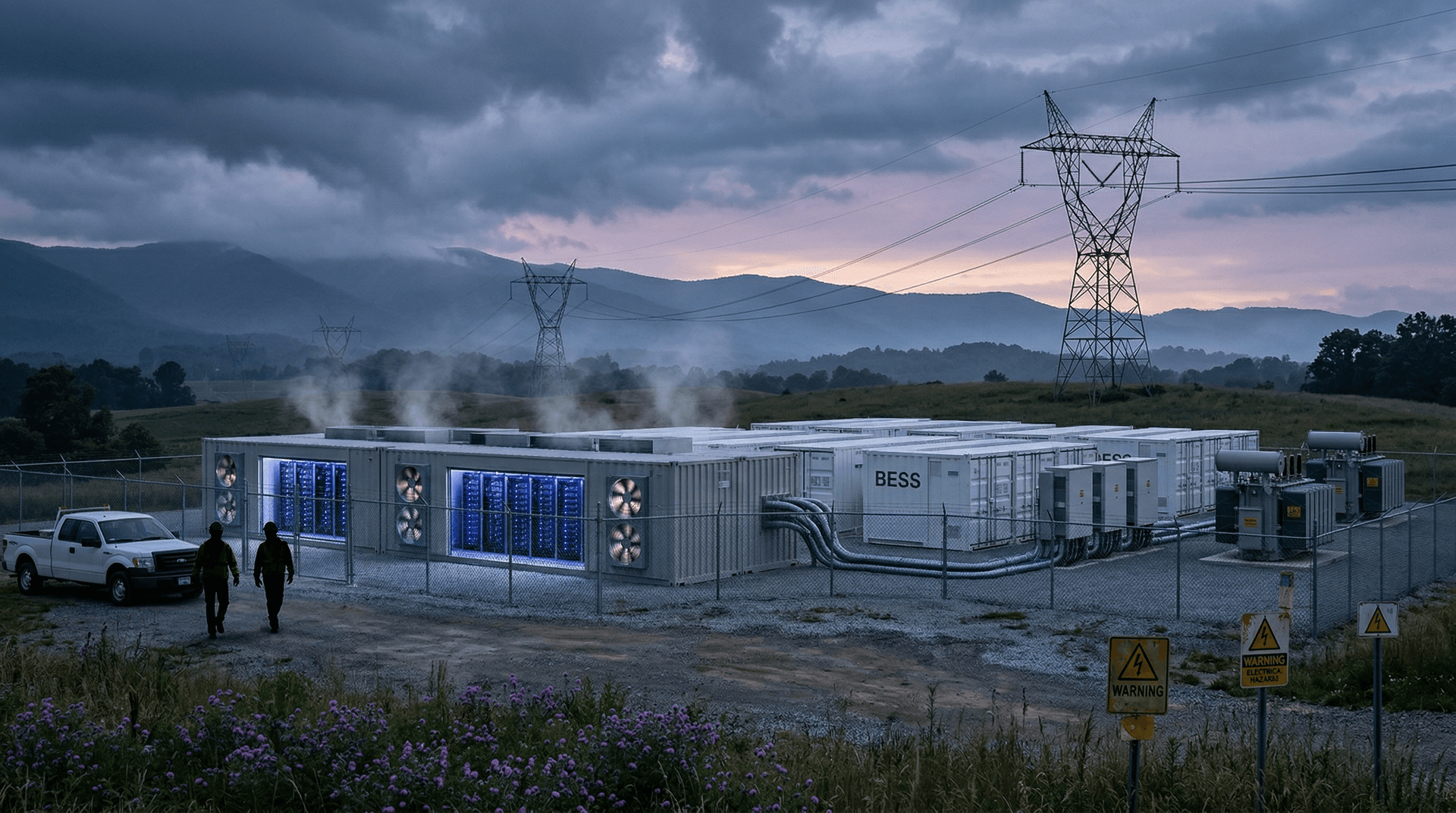
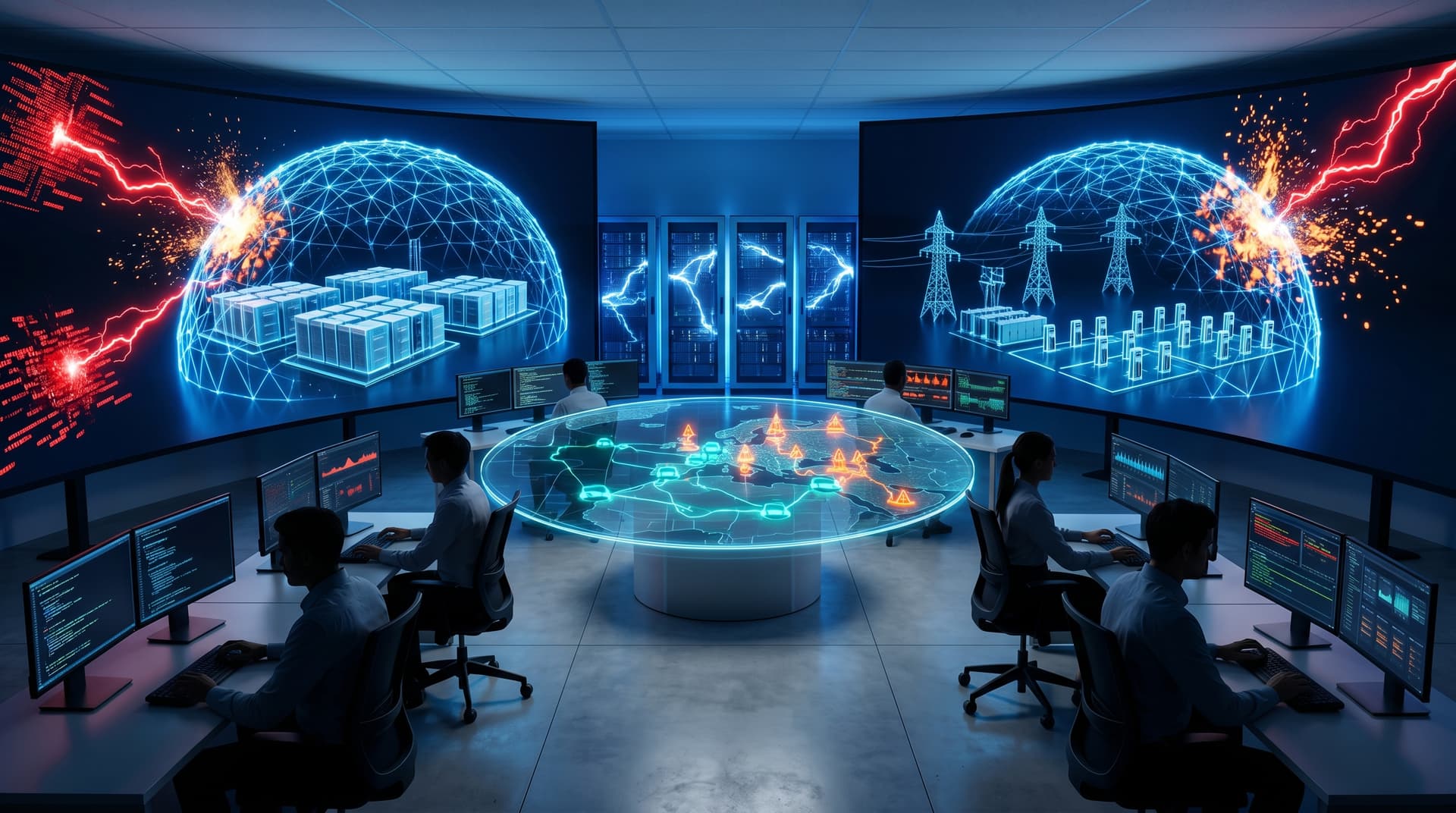
Sandia National Laboratories deploys AI cyber defenders to detect attacks on battery storage and grid infrastructure in 30 seconds. Pilots slash prior detection times from five minutes. FERC Order No. 2222 mandates these tools by July 2027.
AI attackers launch machine learning malware that evades SCADA signatures. NERC reports 15% of 2025 grid incidents targeted controls, per CIP-013 data. NERC CIP standards classify >20 MW battery storage as critical infrastructure.
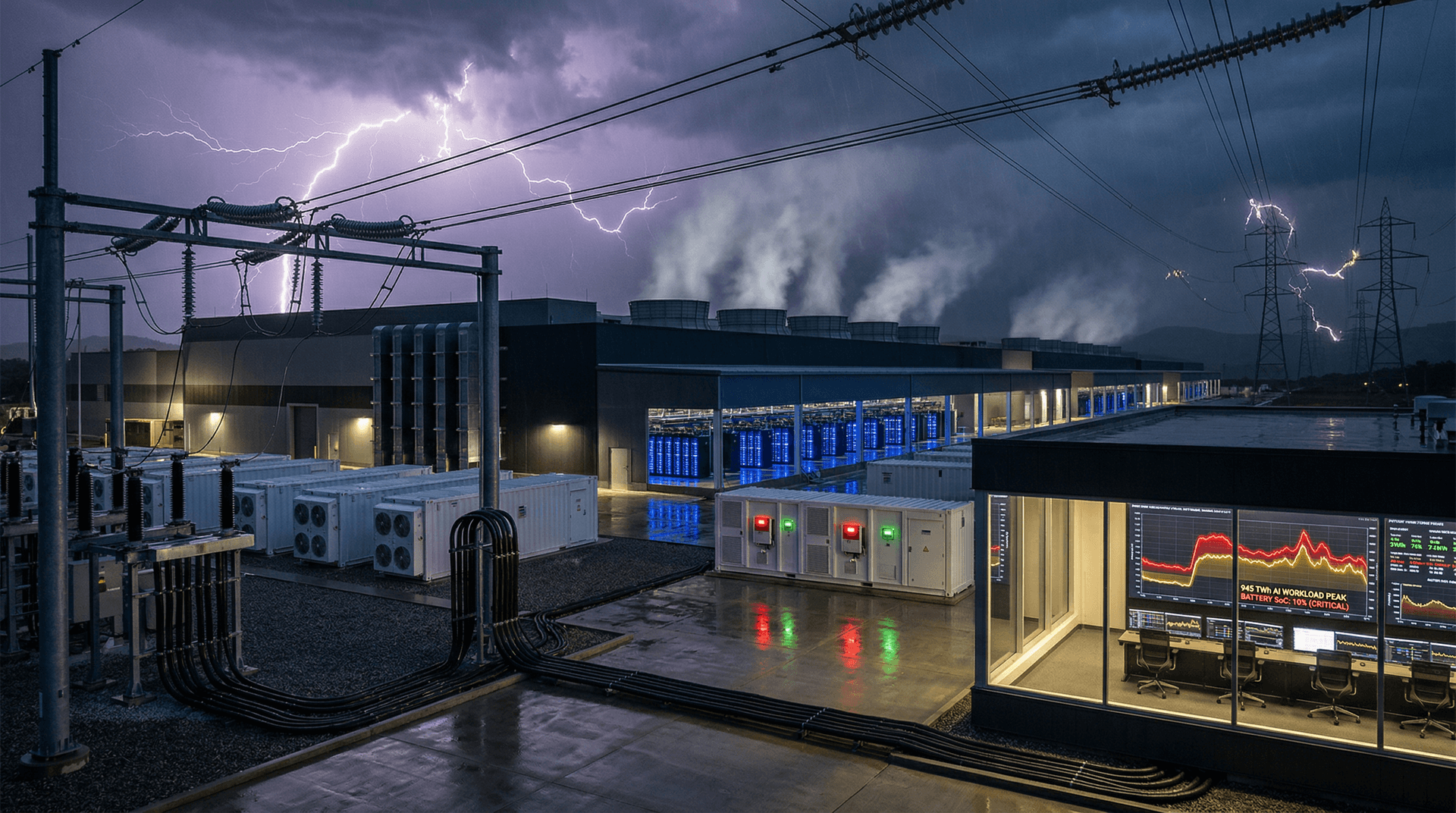
Battery management systems process 10 TB of daily sensor data in 100 MWh sites. Attackers mimic operations for stealth disruptions. These risk 5% efficiency losses at peak loads.
AI Threats Target EV Chargers and V2G Networks
EV chargers connect via smart inverters. AI bots flood stations with DDoS attacks, halting 500-vehicle fleets, according to CISA alerts.
Vehicle-to-grid systems aggregate 1 GW from EV batteries for regulation services. Hackers spoof signals with AI deepfakes. These shifts destabilize grids by 0.5 Hz.
AI cyber defenders spot irregular V2G discharges. Sandia tests under IEEE 2030.5 confirm 30-second responses.
FERC Order No. 2222 enables V2G participation. Cybersecurity rules demand AI monitoring. NERC CIP-005 non-compliance incurs USD 1 million daily fines.
FERC and NIST Accelerate AI Cyber Defender Use
FERC docket PL21-3-000 requires AI analytics for grid events. NIST's AI Risk Management Framework baselines scan traffic over 90 days. It validates models against 1,000 adversarial inputs.
Utilities submit compliance plans by July 2027. BMS vendors certify to UL 2900-2 for 99.9% uptime.
DOE grants fund deployments. IRA Section 48 credits support cyber-secure 500 MWh projects.
EPRI tests show closed AI models detect 25% more threats than open-source alternatives.
AI Cyber Defenders Mechanics in Storage Systems
Unsupervised learning flags zero-day exploits in inverters. Algorithms detect >2% efficiency drops from lithium-ion tampering.
Game theory predicts attacks. Systems quarantine links to SIEM across 10,000 endpoints.
Federated learning trains EV fleets without central data. Edge AI handles 1,000 threats/second on chargers.
Flow batteries use AI for electrolyte monitoring. IDTechEx notes sodium-ion's 20% simpler BMS cuts cyber risks.
Cyber Risks Drive Up LCOS and Insurance Costs
Lloyd's 2025 report cites 25-50% premium hikes from incidents. Wood Mackenzie calculates LCOS rises 12% to USD 150/MWh with downtime.
Data centers need 1 GWh backups. Attacks disrupt energy markets.
Alternative.me Fear & Greed Index reaches 23 (Extreme Fear). Bitcoin trades at USD 74,739; Ethereum at USD 2,355.92.
Grid stability aids crypto's 50 GW demand. Q1 2026 venture capital hits USD 2 billion for AI cyber defenders.
McKinsey reports OTA AI patches cut EV breach costs 40%.
Global Mandates and Scaling Challenges
EU NIS2 demands energy AI assessments by January 2027, with EUR 10 million fines.
Singapore requires certification for 1 GWh tenders. China deploys national platforms.
US FERC links incentives to 95% compliance.
MITRE warns of 10% model poisoning in datasets. Advanced filters mitigate faults.
Data scientists earn USD 250,000 annually, per DOE. Partnerships speed rollout.
NIST pilots post-quantum crypto for SCADA.
EV second-life batteries require USD 5,000/MWh AI BMS retrofits.
FERC hearings resume June 2026. ENISA rates US maturity at 75%.
AI cyber defenders secure 10 GWh grids, preventing USD 100 billion in annual losses.
This article was generated with AI assistance and reviewed by automated editorial systems.