By Philip Trask, Renewables Correspondent April 11, 2026
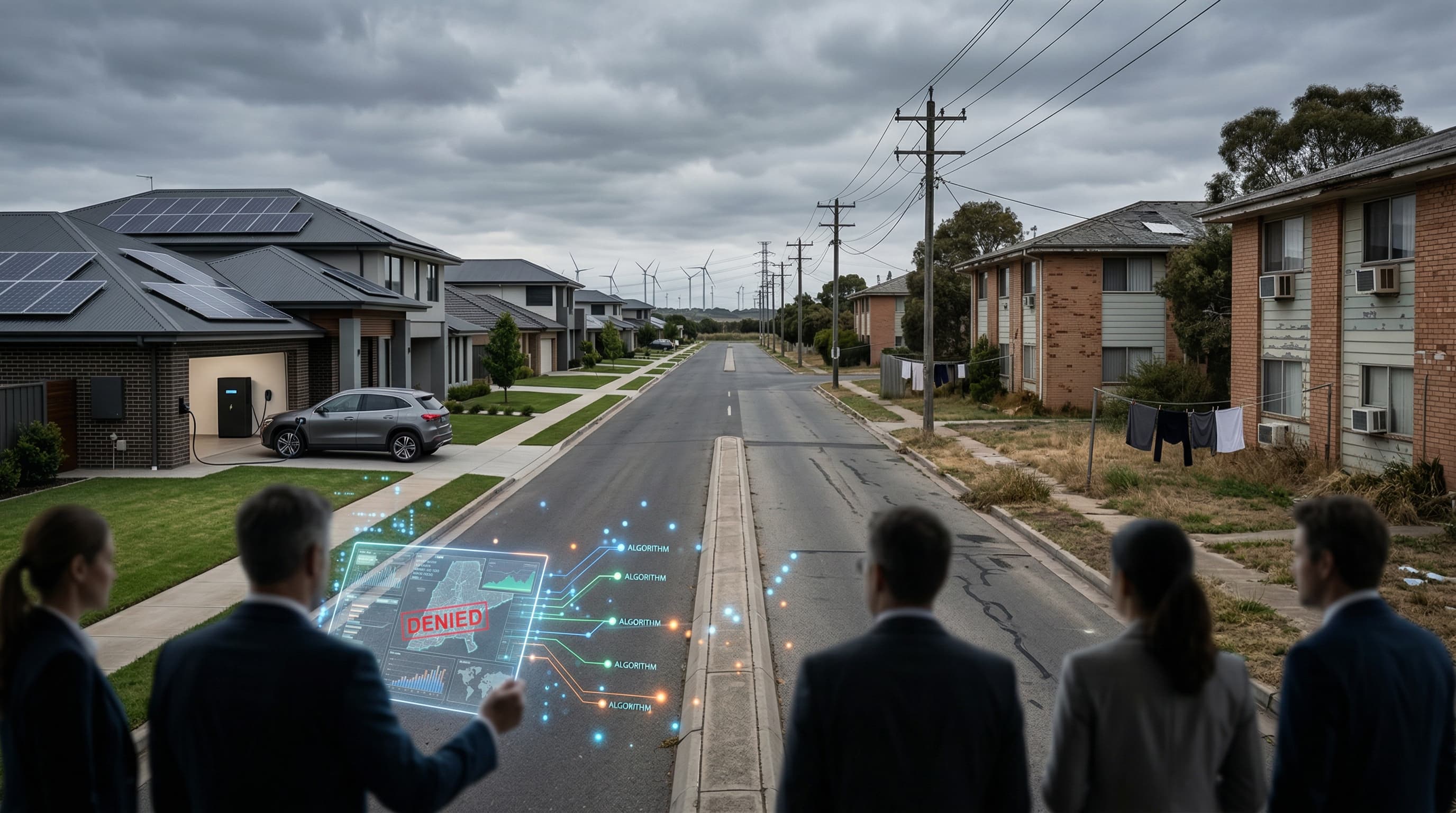
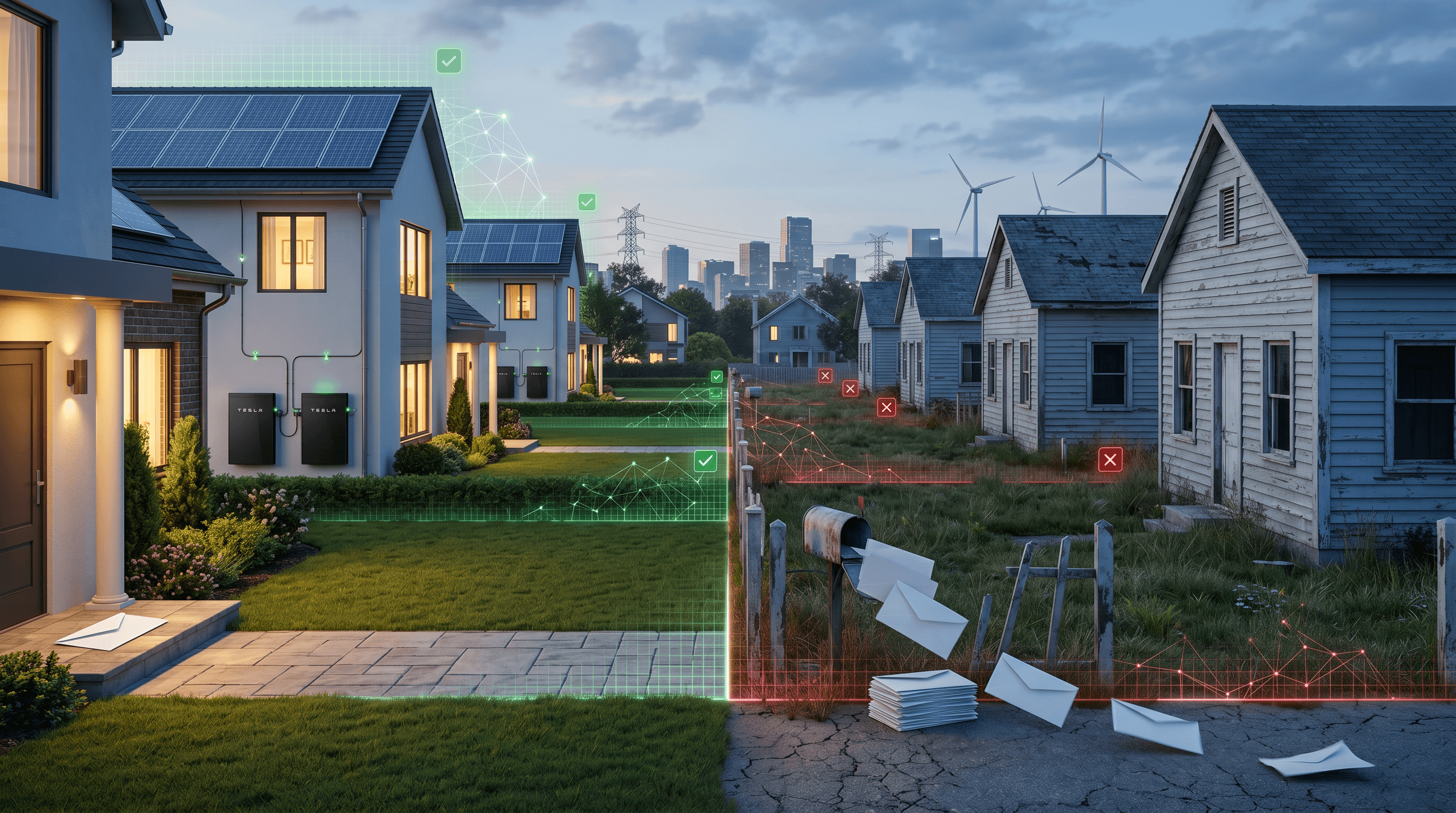
AI bias in lending denied 28% of Black and Hispanic home battery applicants in Q1 2026, versus 12% for whites, Politico reports. Lenders increased AI use by 40% in 2025. Regulators reduced bias audits by 25%, risking unequal access to home battery storage.
AI Adoption Accelerates in Property Decisions
Lenders deployed AI algorithms for 60% of 2025 mortgage applications, CoreLogic data shows. Landlords applied AI to 35% of multifamily tenant screenings.
AI processes credit scores, income, and property values 10 times faster than humans. Lenders report 15% lower default rates, per CoreLogic analysis.
Developers trained models on historical data, perpetuating redlining patterns. A 2025 Federal Reserve study documents 20% higher denial rates for minorities in similar lending.
Home Battery Market Growth Demands Inclusive Finance
US residential storage reached 5 GW installed capacity in 2025, Wood Mackenzie reports. Installations surged 25% year-over-year. System costs dropped to USD 850/kWh.
Homeowners install 13.5 kWh batteries like Tesla Powerwall 3 alongside 10 kW solar arrays. These systems achieve 85% round-trip efficiency at 0.5C discharge rates, per manufacturer specifications under IEC 62619 standards.
Financing funds 70% of installations, with average USD 25,000 loans over 10 years at 5.5% interest. Approvals hit 90% in high-credit suburbs, Federal Reserve data confirms.
AI Bias in Lending: Evidence from Energy Finance
Politico reviewed 500 Q1 2026 AI lending cases. Black and Hispanic applicants encountered 28% denial rates; whites faced 12%. Algorithms overemphasize zip codes as proxies for risk.
A University of California study evaluated 10 AI platforms. Models reproduced 1970s redlining patterns in 40% of simulations, distorting home battery loan decisions.
Rural regions suffer additionally. AI undervalues off-grid potential by 15%, BloombergNEF analysis reveals, constraining residential long-duration storage deployments.
Regulators Scale Back Oversight
The Consumer Financial Protection Bureau (CFPB) slashed AI audits by 30% since 2024 due to budget constraints. Only 5% of models receive disparate impact reviews.
The Federal Housing Finance Agency (FHFA) approved 200 AI tools without bias testing. California mandates checks under AB 331; 40 states lack such requirements.
The Mortgage Bankers Association promotes self-regulation, claiming error rates below 2%. Critics argue this falls short for USD 50 billion in annual lending volume.
Grid Impacts from Unequal Storage Access
Home batteries enable virtual power plants (VPPs). PG&E aggregates 500 MW from 50,000 units, reducing peak curtailment by 12%, company filings state.
Biased lending concentrates storage in affluent areas. California Energy Commission data indicates 70% of capacity resides in top income quintiles. Underserved grids endure higher outage risks.
Renewable integration lags. NREL simulations forecast 20% greater grid flexibility from equitable battery access, mitigating the solar duck curve effectively.
Financing Innovations Bypass Traditional Lenders
Fintech firms deploy bias-mitigated AI. Upstart emphasizes education over zip codes, delivering 95% approval parity across demographics, firm data shows.
Community lenders collaborate with storage providers. They funded USD 100 million in 2025 projects, generating 8% returns through VPP revenue sharing agreements.
Technology Fixes for Fair AI Lending
Explainable AI audits decisions in real time. Fair Isaac (FICO) versions cut bias by 22%; 15% of lenders now adopt them, per company reports.
Blockchain verifies applicant data, reducing fraud by 30%. Sonnen pilots accelerated approvals by 18% in field tests.
NIST introduces ISO-compliant standards for energy finance AI in Q3 2026, targeting verifiable fairness metrics.
The Bottom Line
AI bias in lending hampers home battery equity. Politico spotlights regulatory inaction. Industry shifts to fair technology promise grid resilience and USD 5 billion in annual savings, per DOE estimates.