After years of development, sodium-ion batteries are finally entering commercial production at scale, and the economics are even better than predicted. At least four major manufacturers, including CATL, HiNa Battery, Natron Energy, and Faradion, are now shipping sodium-ion cells at prices between $30-45 per kilowatt-hour, roughly 60% below current lithium iron phosphate costs.
The cost advantage stems from the abundance of raw materials. Sodium is roughly 1,000 times more abundant than lithium in the Earth crust and can be extracted from seawater or common salt deposits at minimal cost. Additionally, sodium-ion batteries use aluminum current collectors on both electrodes instead of the copper required by lithium-ion cells, further reducing material costs and weight.
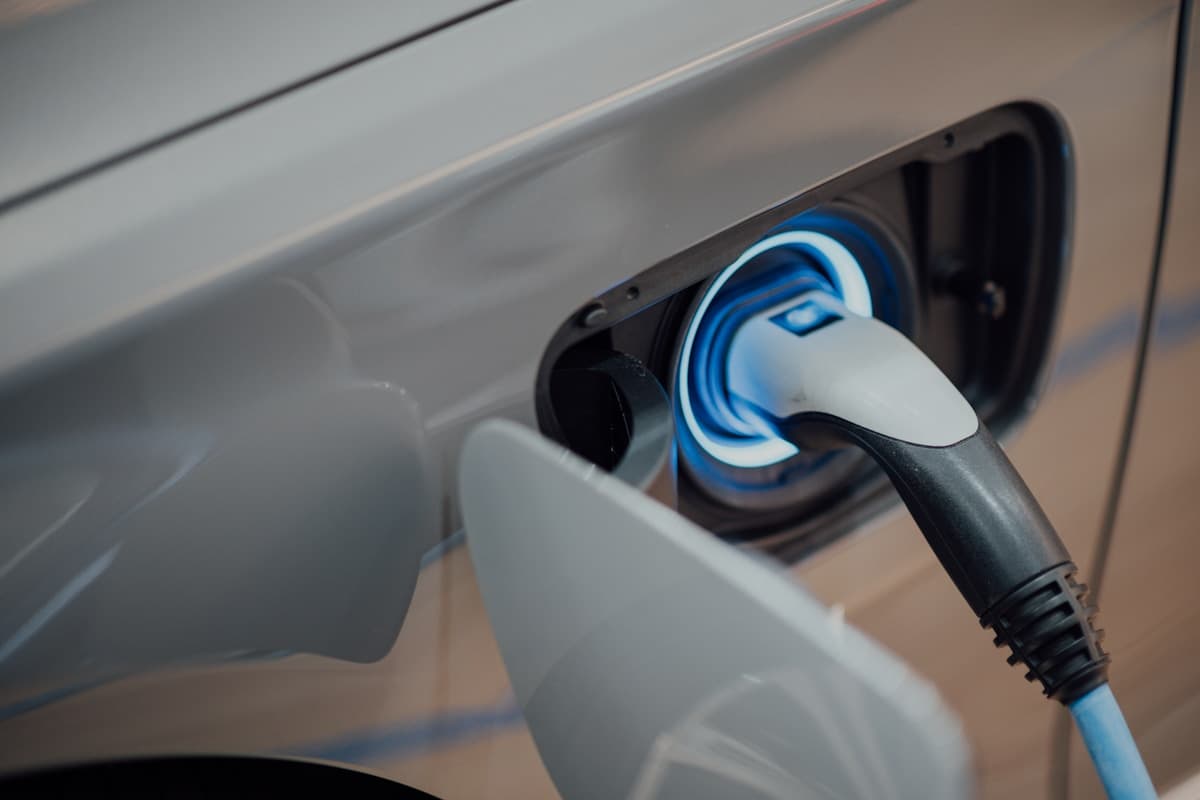
The trade-offs are well understood. Current sodium-ion cells achieve energy densities of 140-160 Wh/kg, compared to 180-220 Wh/kg for LFP lithium-ion cells. This makes them less suitable for applications where space and weight are critical constraints, such as passenger vehicles. However, for stationary energy storage, where cost per kilowatt-hour matters more than energy density, sodium-ion technology is rapidly becoming the preferred choice.
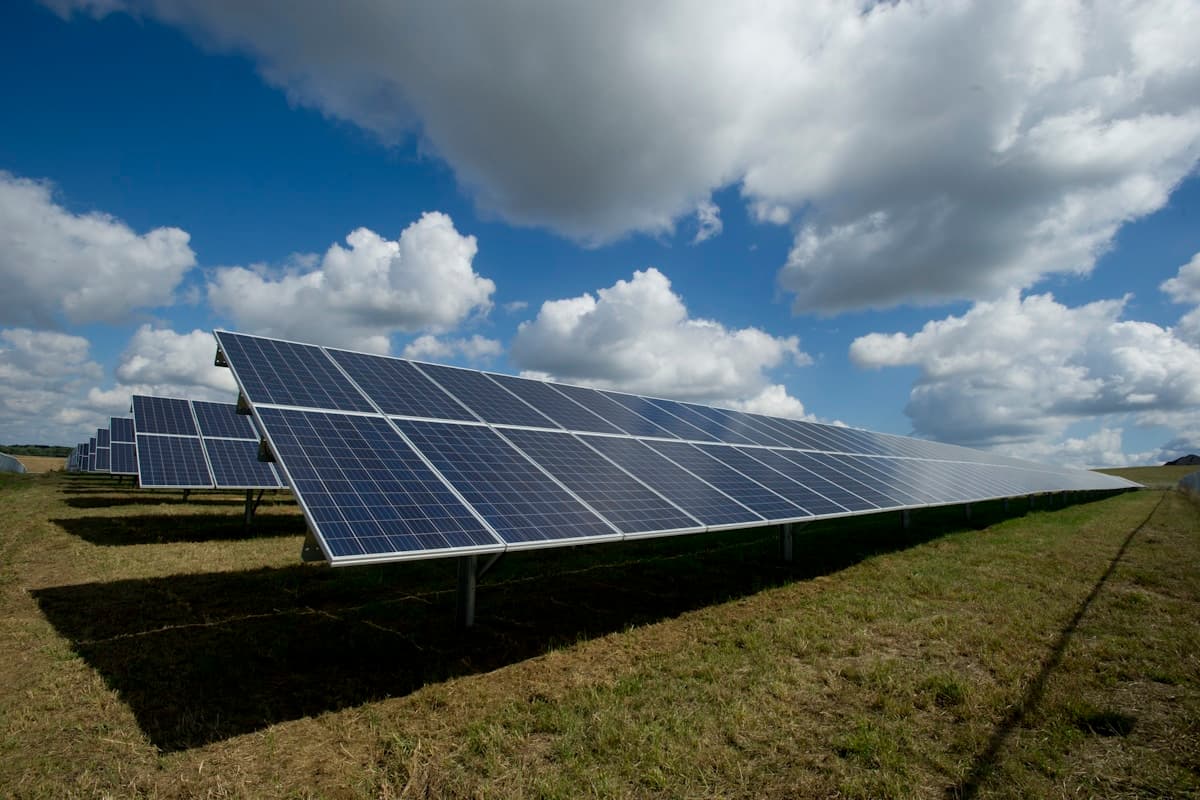
Several grid storage projects using sodium-ion technology are already operational. In China, State Grid Corporation has deployed a 10 MWh sodium-ion storage system in Shanxi province, and a 100 MWh project is under construction in Inner Mongolia. In the United States, Natron Energy has installed sodium-ion backup power systems at data centers for Microsoft and Google, taking advantage of the chemistry excellent thermal stability and safety characteristics.
The rapid commercialization of sodium-ion technology could have major geopolitical implications. Unlike lithium, which is concentrated in a handful of countries, sodium is available essentially everywhere. This means nations can build domestic battery supply chains without depending on imported critical minerals, a prospect that is particularly appealing to countries in South and Southeast Asia, Africa, and South America that have been priced out of the lithium-ion supply chain.