Chinese battery and electric vehicle giant BYD has achieved a significant milestone with its second-generation Blade Battery, which has exceeded 1,000 kilometers of range in independent testing conducted by TUV Rheinland. The result, achieved in a standard sedan platform under controlled conditions, represents a major leap forward for lithium iron phosphate chemistry, which has traditionally lagged behind nickel-based alternatives in energy density.
The key innovation is BYD new cell-to-body integration technology, which eliminates the traditional module and pack structure entirely. Instead, the battery cells serve as structural elements of the vehicle floor, increasing the volumetric energy density of the overall system by 40% compared to the first-generation Blade Battery. The new cells achieve an energy density of 210 Wh/kg at the cell level, remarkable for an LFP chemistry.
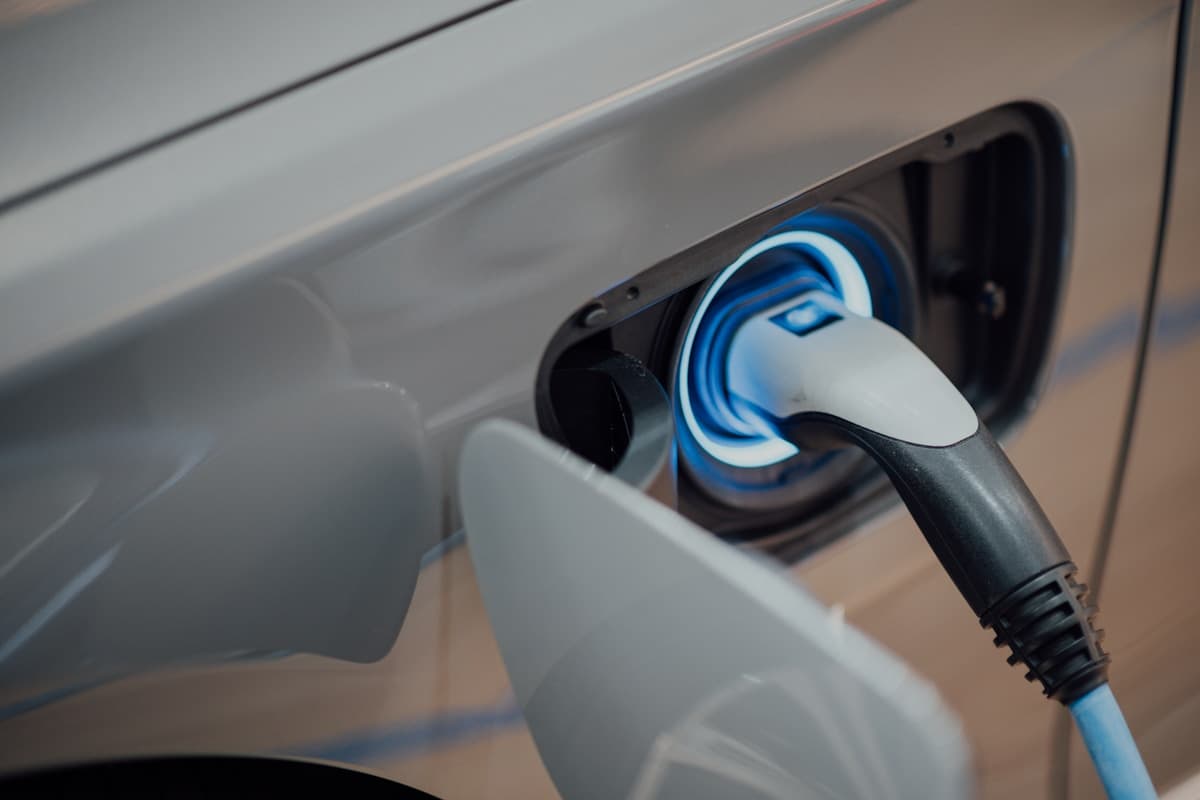
Perhaps more impressive than the range figure is the charging speed. Using BYD proprietary 800-volt architecture and a new silicon-doped lithium iron phosphate cathode, the battery can charge from 10% to 80% in just 18 minutes at compatible fast chargers. This represents a 45% improvement over the original Blade Battery and brings LFP charging performance in line with premium nickel manganese cobalt alternatives.
BYD plans to begin mass production of the Blade Battery 2.0 at its new Zhengzhou gigafactory in Q3 2026, with initial capacity of 60 GWh per year. The cells will first appear in BYD premium Han and Tang models before rolling out across the broader lineup. The company is also marketing the technology to external automakers, with reports suggesting partnerships with several European manufacturers.
The development has significant implications for the energy storage market as well. BYD confirmed that a grid-scale variant of the Blade 2.0 cell is in development, targeting utility-scale applications where the combination of high cycle life, thermal stability, and competitive cost could challenge incumbent grid storage solutions from CATL and Tesla.