The European energy storage market has reached an inflection point. According to new data from the European Association for Storage of Energy, the continent installed a record 16 gigawatts of new grid-scale battery storage in 2025, more than doubling total installed capacity to over 30 GW. The milestone marks Europe emergence as the world second-largest storage market after China.
The United Kingdom led European installations for the third consecutive year, adding 4.2 GW of new capacity. Germany followed with 3.8 GW, while Spain surprised analysts with a strong showing of 2.9 GW, driven by a new regulatory framework that provides capacity payments for storage assets. Italy, France, and the Netherlands rounded out the top six markets.
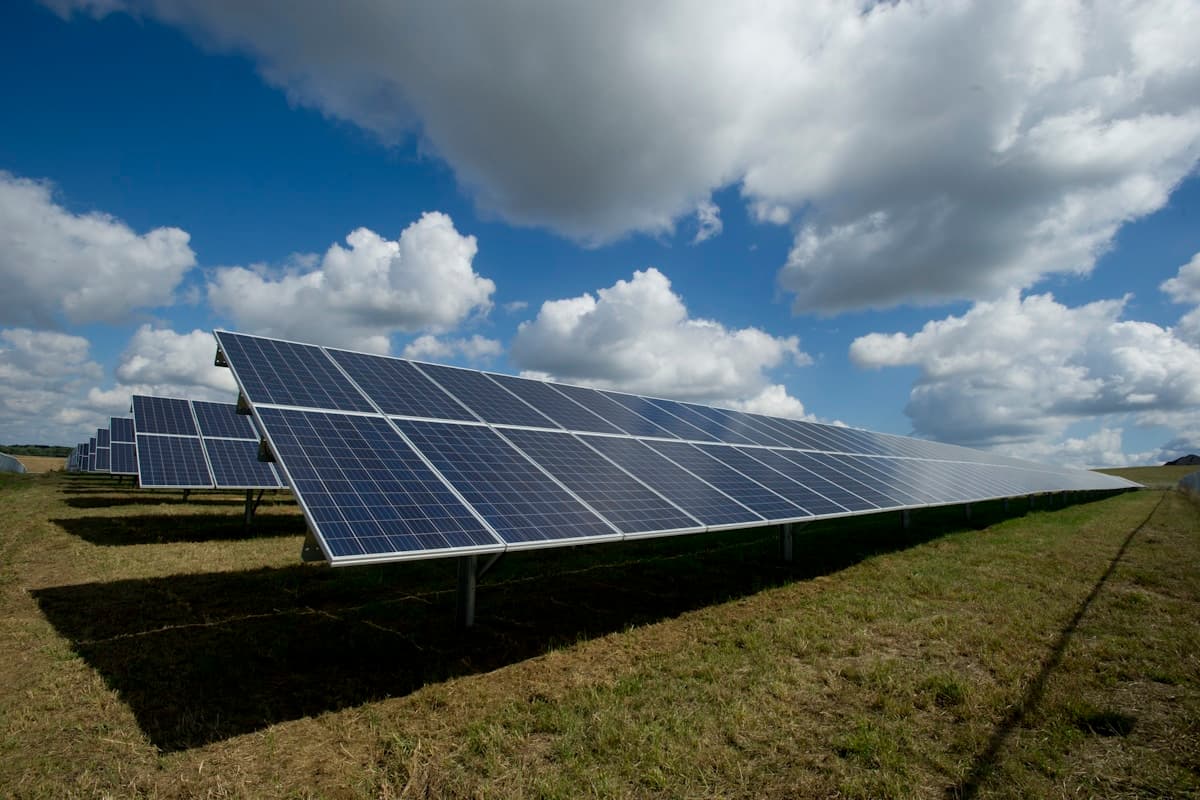
The growth is being driven by a combination of factors. European renewable energy capacity has expanded dramatically, with solar and wind now providing over 40% of the continent electricity. This creates increasing periods of oversupply and price volatility that make battery storage highly profitable. In Germany, for example, battery operators earned average returns of 18% in 2025 through a combination of frequency regulation, energy arbitrage, and capacity market revenues.
Policy support has also played a crucial role. The European Union Clean Energy Package, enacted in 2024, set binding storage targets for member states and removed several regulatory barriers that had previously hindered deployment. The European Investment Bank has provided EUR 8 billion in concessional financing for storage projects, while national governments have introduced their own incentive programs.
Industry forecasts suggest the European market will continue its rapid expansion. SolarPower Europe projects that total installed storage capacity will reach 80 GW by 2030, requiring annual installations of approximately 10-12 GW. Meeting this target will require significant investment in manufacturing capacity, grid infrastructure, and skilled workforce development across the continent.