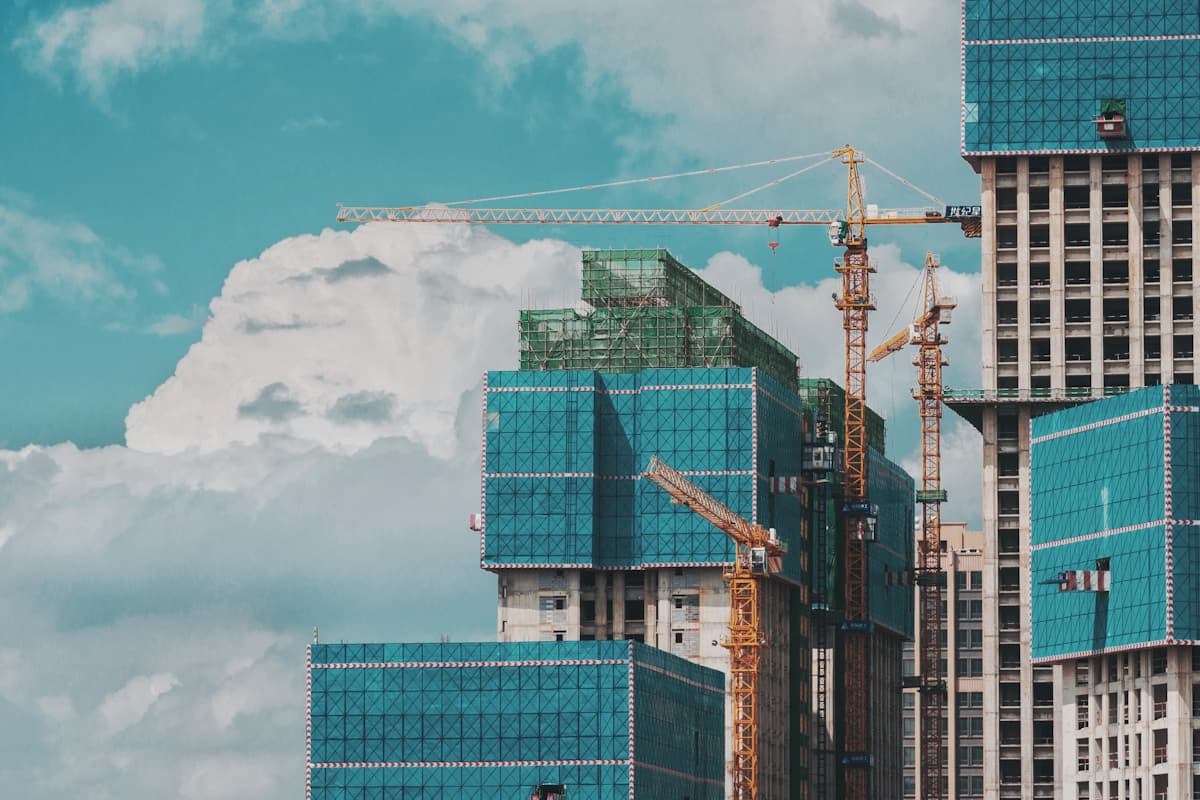
Contemporary Amperex Technology Co. Limited, the world largest battery manufacturer, has officially broken ground on a massive new production facility in Debrecen, Hungary. The $5 billion gigafactory will have an annual production capacity of 100 gigawatt-hours when fully operational in 2028, making it the single largest battery plant in Europe and a cornerstone of the continent efforts to secure domestic cell supply.
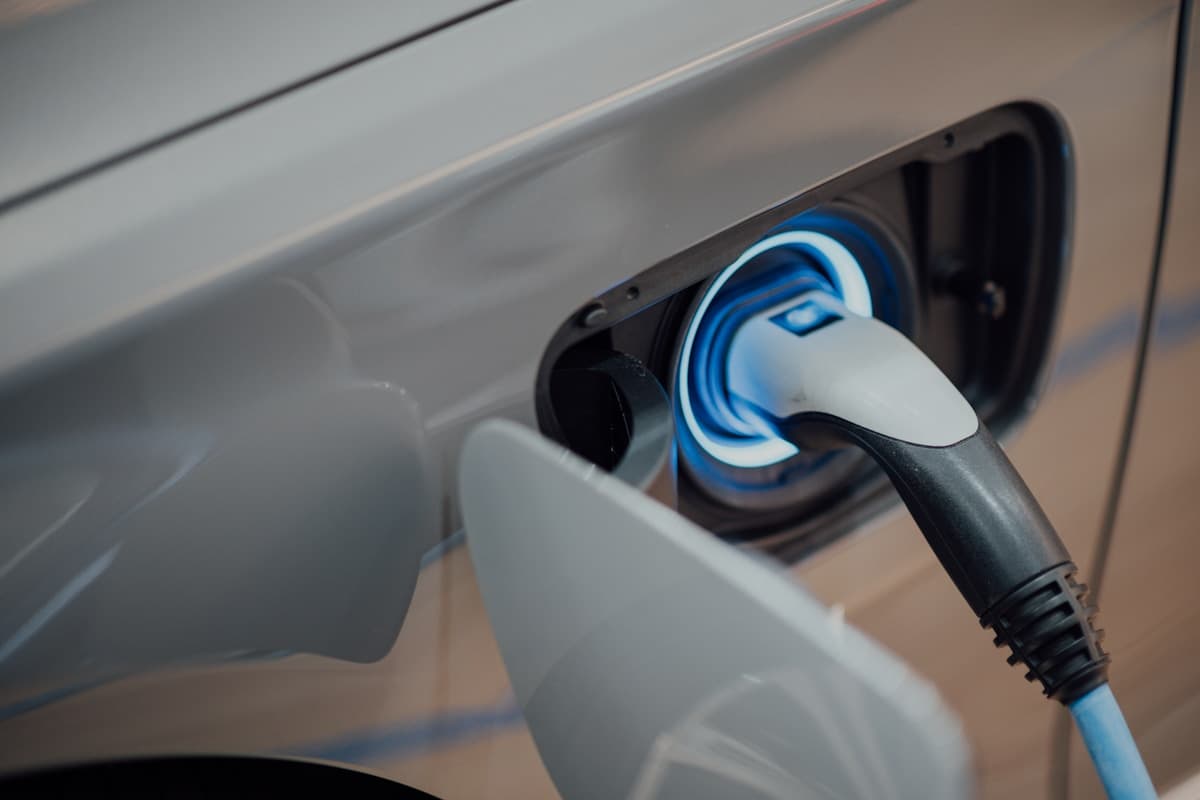
The facility will produce CATL latest generation of lithium iron phosphate and nickel manganese cobalt cells for the European automotive market. The company has already signed long-term supply agreements with BMW, Mercedes-Benz, Volkswagen, and Stellantis, collectively worth an estimated EUR 30 billion over the next decade. The plant will also produce cells for the stationary energy storage market, responding to surging European demand for grid-scale batteries.
The Hungarian government has provided significant incentives to attract the investment, including tax breaks, subsidized land, and infrastructure improvements valued at approximately EUR 400 million. The project is expected to create 9,000 direct jobs and an estimated 15,000 indirect positions in the surrounding supply chain, transforming the Debrecen region into a major hub for battery manufacturing.
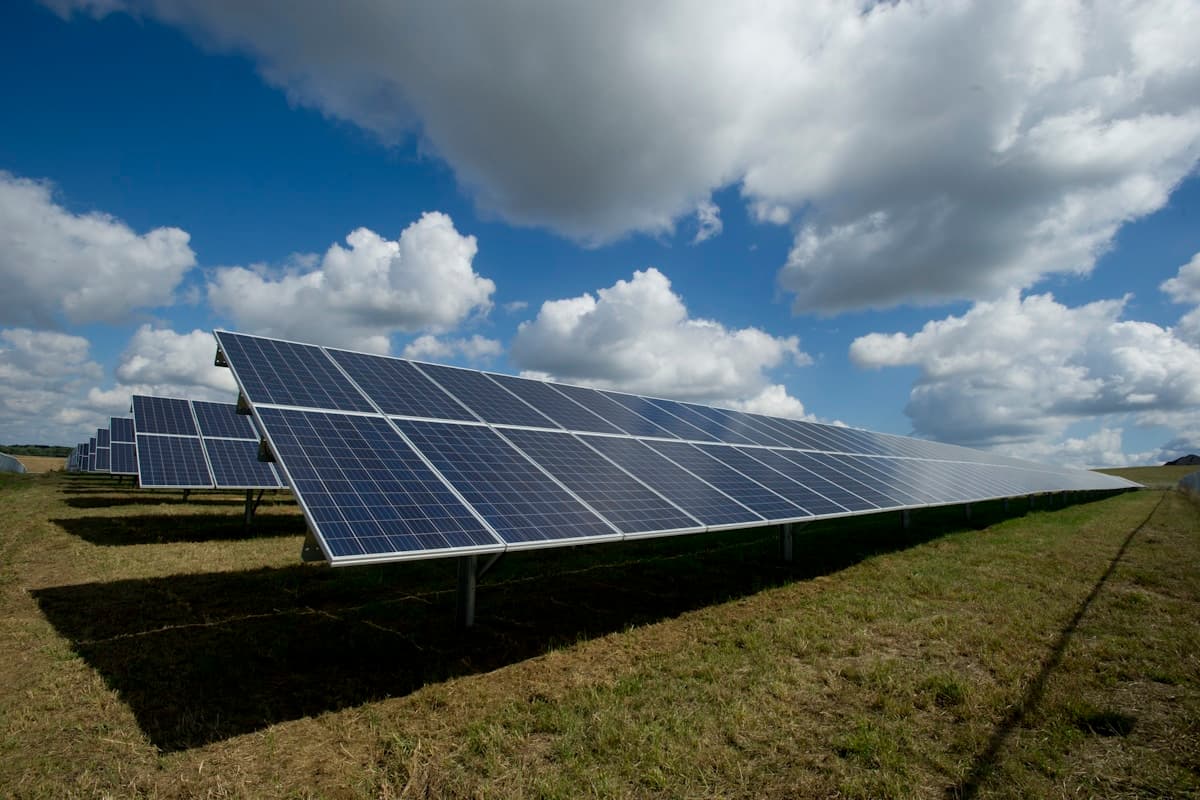
CATL Chairman Robin Zeng stated that Europe is central to the company global expansion strategy. The Debrecen plant will incorporate CATL most advanced manufacturing technology, including AI-driven quality control systems that can detect defects at the sub-micron level, reducing scrap rates to below 0.1%. The facility will also be powered entirely by renewable energy, with a 200 MW solar installation being built adjacent to the factory site.
The investment comes amid growing geopolitical tensions around battery supply chains. European policymakers have been pushing for greater domestic production to reduce dependence on Asian imports, but the scale of investment required has made it difficult for European startups to compete. CATL entry into European manufacturing represents a pragmatic middle ground, bringing advanced technology and scale to the continent while maintaining Chinese ownership of core intellectual property.