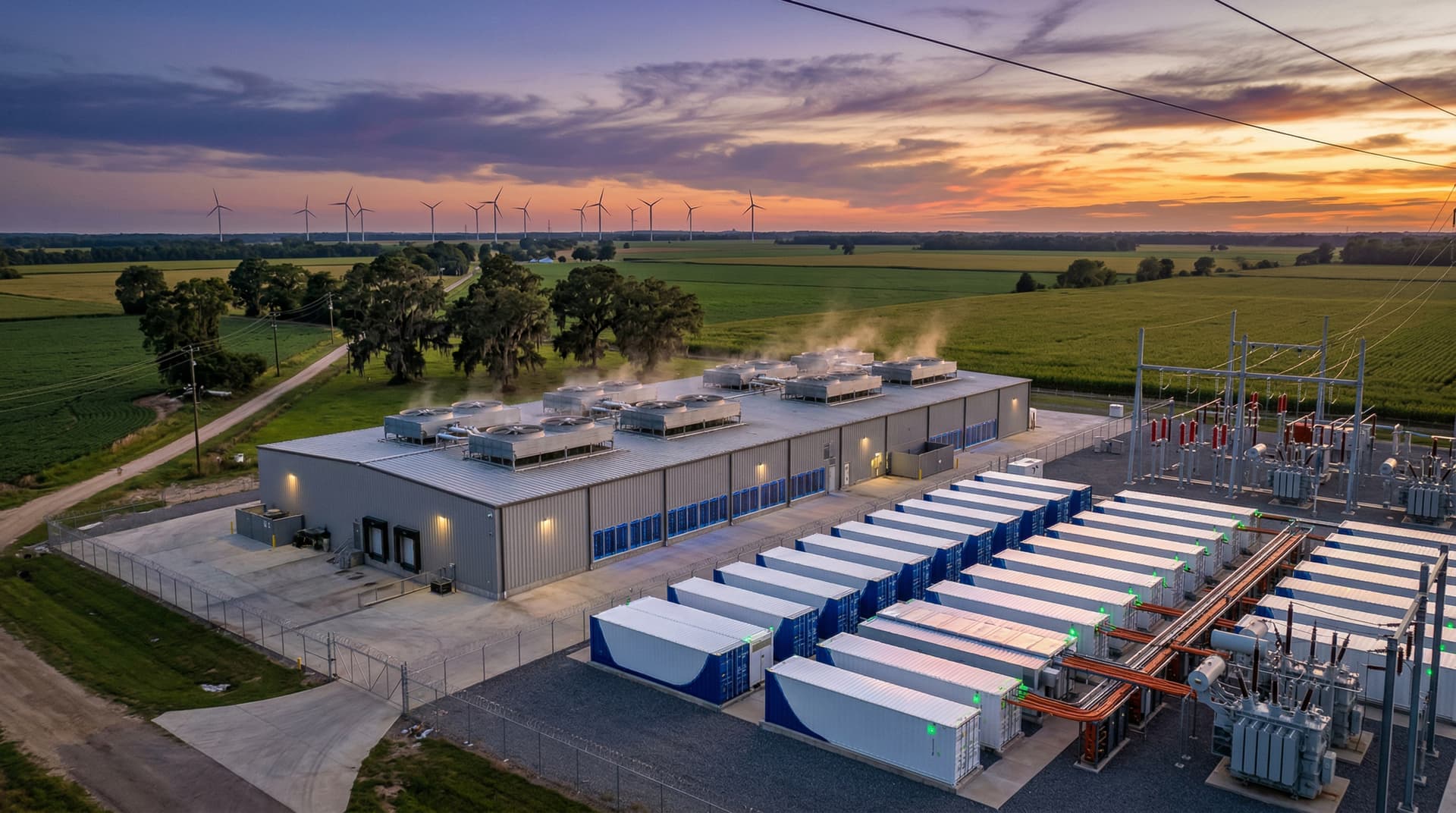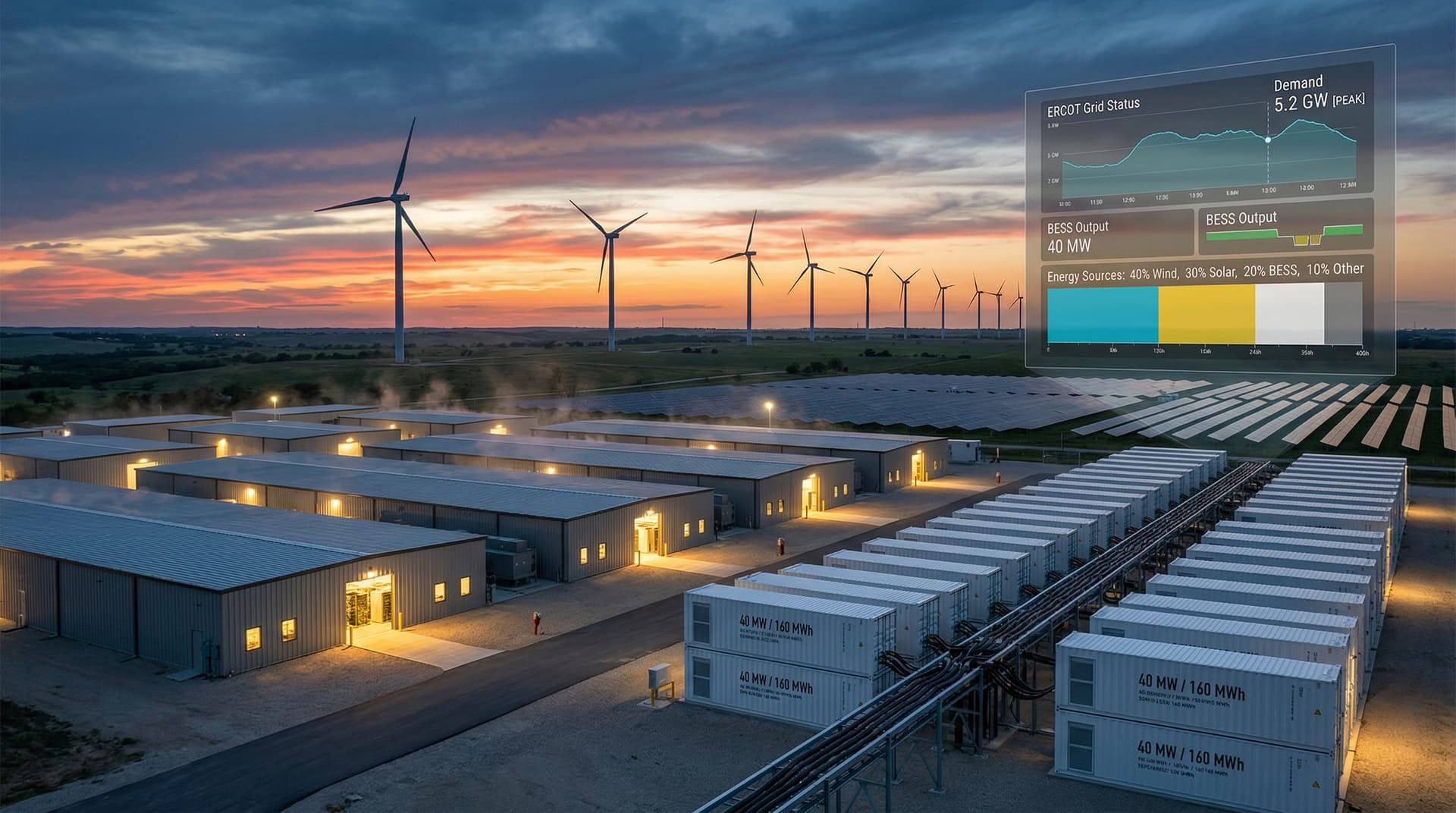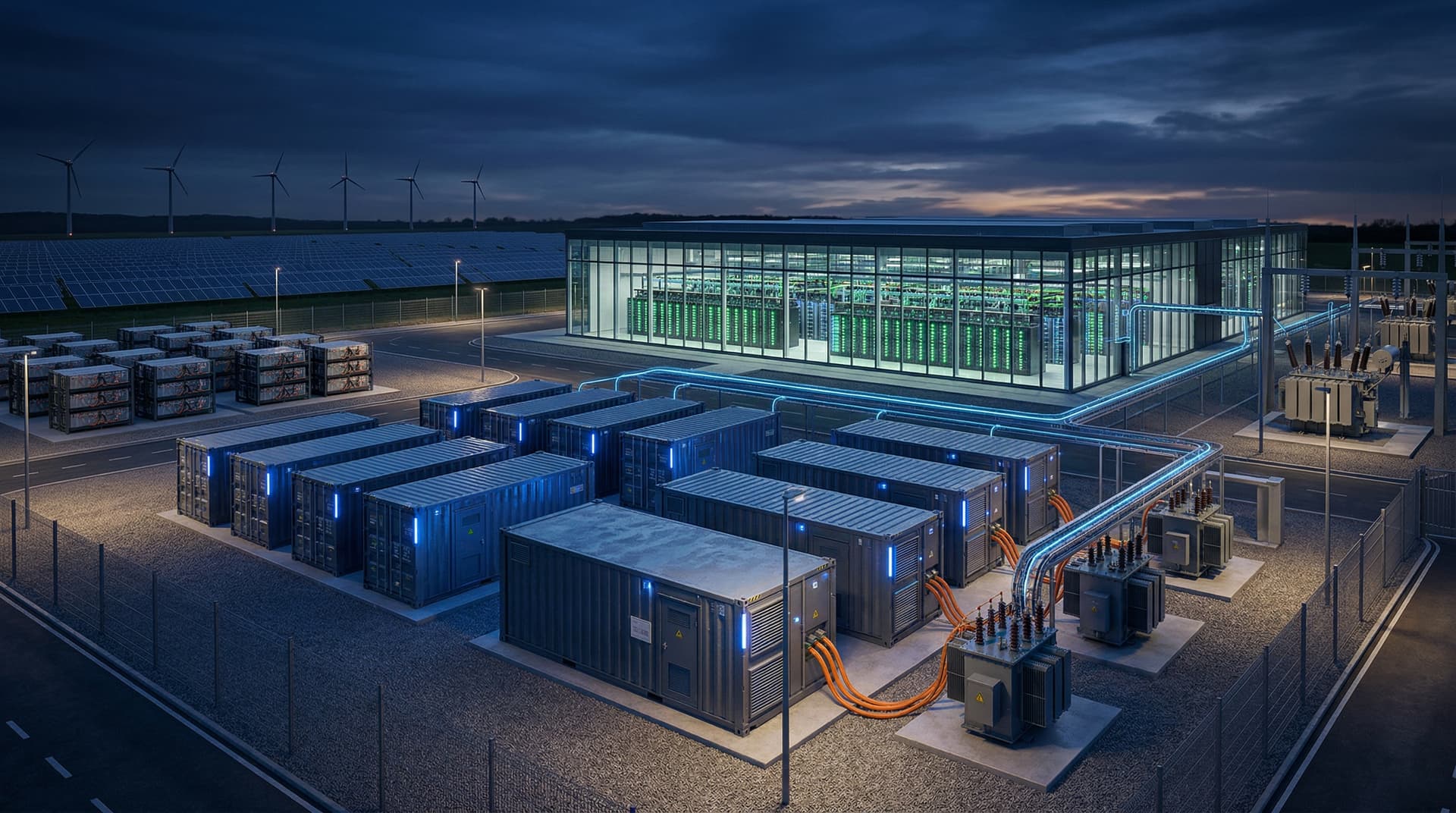
- BloombergNEF forecasts 50GWh AI data center energy storage by 2030.
- EV second-life batteries supply 15GWh by 2028, saving 30% on costs.
- Lithium-ion hits USD 150/kWh with 90% efficiency at 1C rate.
BloombergNEF analyst Amy Kang forecasts 50GWh of AI data center energy storage demand by 2030. AI compute demand drives 40% annual growth, per Kang's October 2024 report (BloombergNEF).
Pharma firms like Jaguar Health accelerate drug trials with AI, boosting compute needs. CEO Steven Machin says AI platforms cut development risks by 30%, announced April 13, 2024.
AI Compute Fuels Crofelemer Trials and Storage Demand
Rare intestinal failure impacts 10,000 US patients yearly, per National Institutes of Health (NIH) 2023 data. Jaguar Health advances crofelemer, FDA-approved as Mytesi for HIV-related diarrhea, to treat this condition by inhibiting chloride secretion.
Partner Insitro models pharmacokinetics with 95% accuracy, per CEO Daphne Koller (TechCrunch, October 2023). Jaguar eyes Phase 2 data by Q4 2027, trimming 18 months from timelines.
Production adheres to FDA standards at USD 5,000 per patient-year. Orphan drug designation supports USD 200 million annual revenue potential.
Surging Power Needs Drive AI Data Center Storage
Pharma applies AI to 70% of new drug discoveries, per McKinsey 2024 survey, doubling compute requirements yearly. Data centers used 2% of global electricity in 2023, projected to reach 8% by 2030 (International Energy Agency, IEA).
Hyperscalers target 20GW of new capacity (Reuters, October 15, 2024). Pharma contributes 500MW in APAC and Americas. Jaguar demands 10 petaflops monthly; the sector totals 1 exaflop.
Major data centers face USD 50 million in annual energy costs, per industry benchmarks.
Lithium-Ion Batteries Dominate Short-Duration Storage
Lithium-ion batteries lead with 200-250 Wh/kg and 500-700 Wh/L energy density, 90% round-trip efficiency at 1C discharge rate, and 5,000 cycles at 80% depth of discharge (DoD), according to Fluence Energy datasheets.
System costs fell to USD 150/kWh installed (BloombergNEF Q3 2024). Grid services yield USD 20/MWh revenue. Fluence deploys 100MW/400MWh projects compliant with IEC 62619 safety standards.
Lithium supply chain benefits from carbonate prices dropping 85% year-to-date to USD 11,000/tonne (S&P Global Platts, October 2024).
EV Second-Life Batteries Slash AI Storage Costs
Second-life EV batteries will supply 15GWh by 2028, forecasts Wood Mackenzie principal James Spalding (Wood Mackenzie). Nissan repurposes packs from 40GWh of vehicles at USD 80/kWh, retaining 80% capacity after 200,000 miles.
Tesla Megapacks incorporate EV modules for 1.5GWh deployments. Vehicle-to-grid (V2G) protocols extend usability to 10 years. California data centers test 50MW pharma pilots.
Spalding projects 30% cost savings versus new cells, easing lithium dependency.
Multi-Hour Storage Roadmap to 50GWh Scale
Data center operators secure 2GW storage pipelines. GM pledges 10GWh of repurposed packs. Levelized cost of storage (LCOS) dips below USD 0.10/kWh (Lazard's Levelized Cost of Energy Analysis, 2024).
Long-duration options like Form Energy's iron-air batteries aim for 100-hour discharge at USD 20/kWh target cost. Pharma AI investments hit USD 20 billion by 2028 (Gartner). EMEA grids add 10GWh capacity.
EV battery recycling covers 25% of demand, supporting BloombergNEF's 50GWh AI data center energy storage forecast by 2030.